


Modular Coastal Ferry Passenger Support Facility
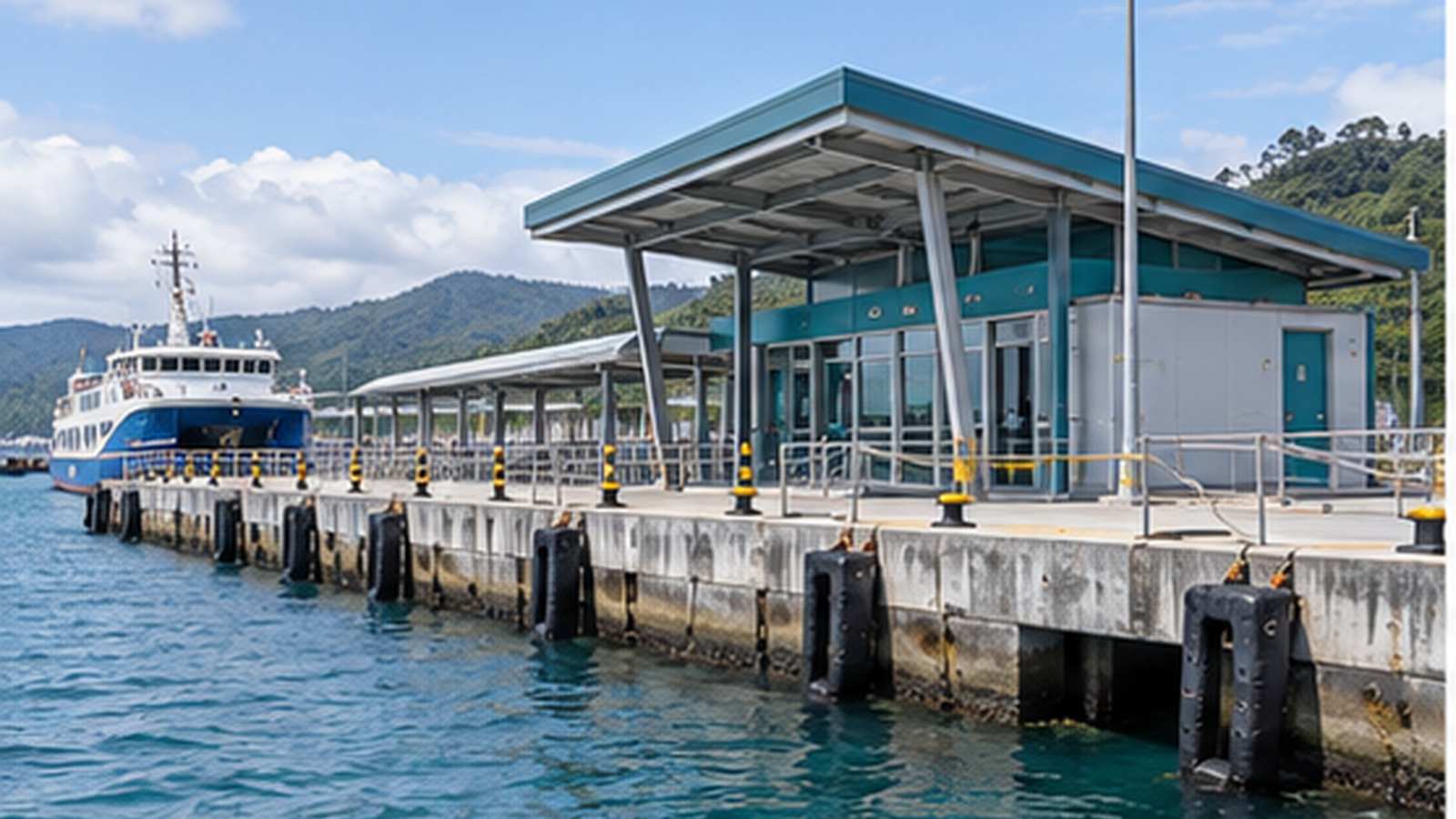
This project configuration covers a modular coastal ferry passenger support facility in Eastern Visayas, Philippines, completed in September 2026. The planned building separates passenger waiting and boarding support from staff, utility and service functions. Final dimensions, occupancy, structural design, wind exposure, utility loads and approval requirements remain subject to the verified site survey and local authority review.
Project Overview
The brief calls for a compact, maintainable facility that can support ferry passengers while keeping staff activity, cleaning, storage and services outside the main public circulation route. The configuration uses repeatable bays so the public area, ticket support, accessible sanitary spaces, staff point, utility room and covered circulation can be scaled to the confirmed route and passenger volume.
What is the key planning principle?
The key principle is separation of flows. Passengers should move from arrival to waiting and boarding support without crossing cleaning, waste, maintenance or staff-service routes. This improves operational clarity and leaves plant access available during operating hours.
Configuration and Coastal Interfaces
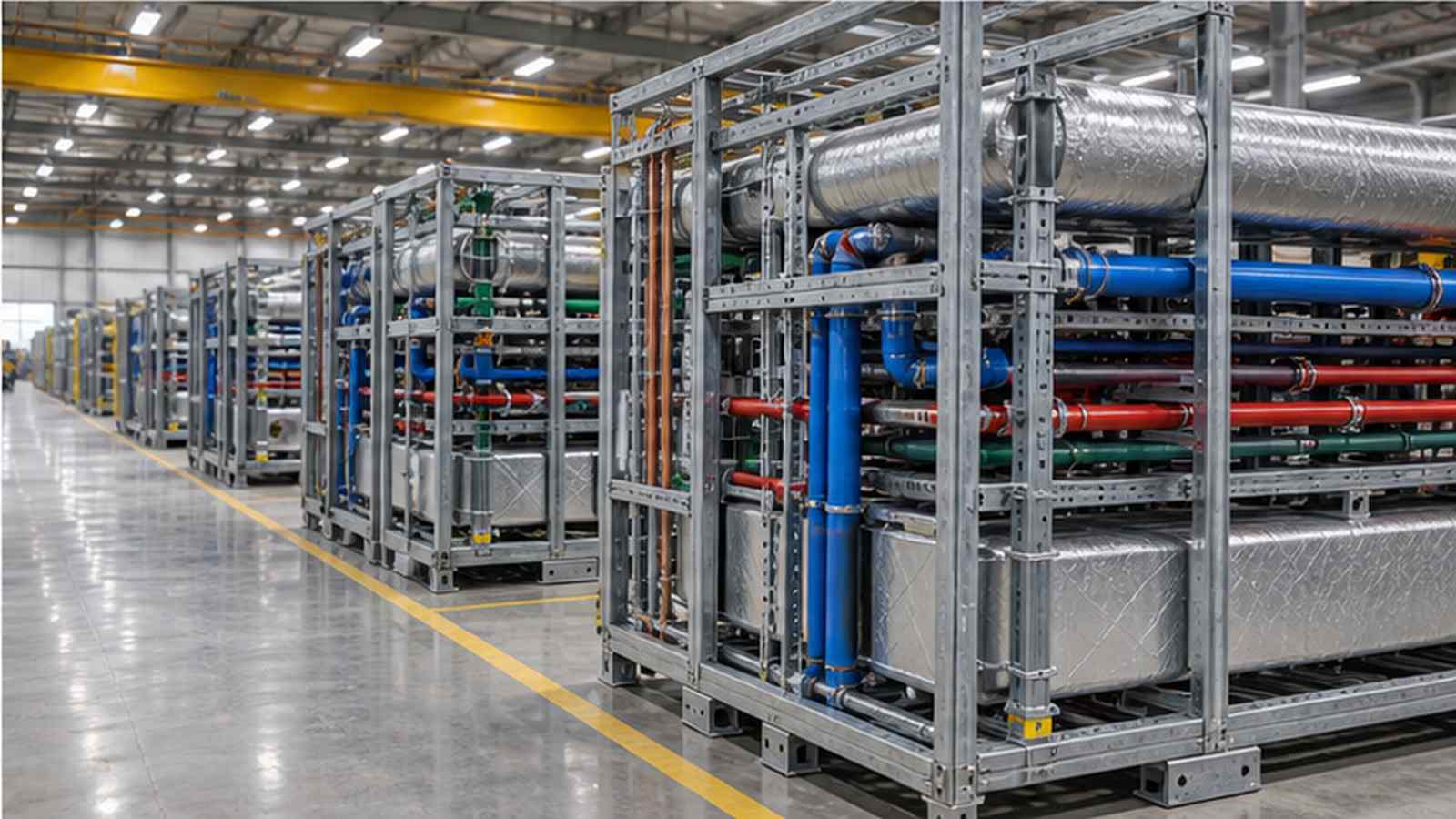
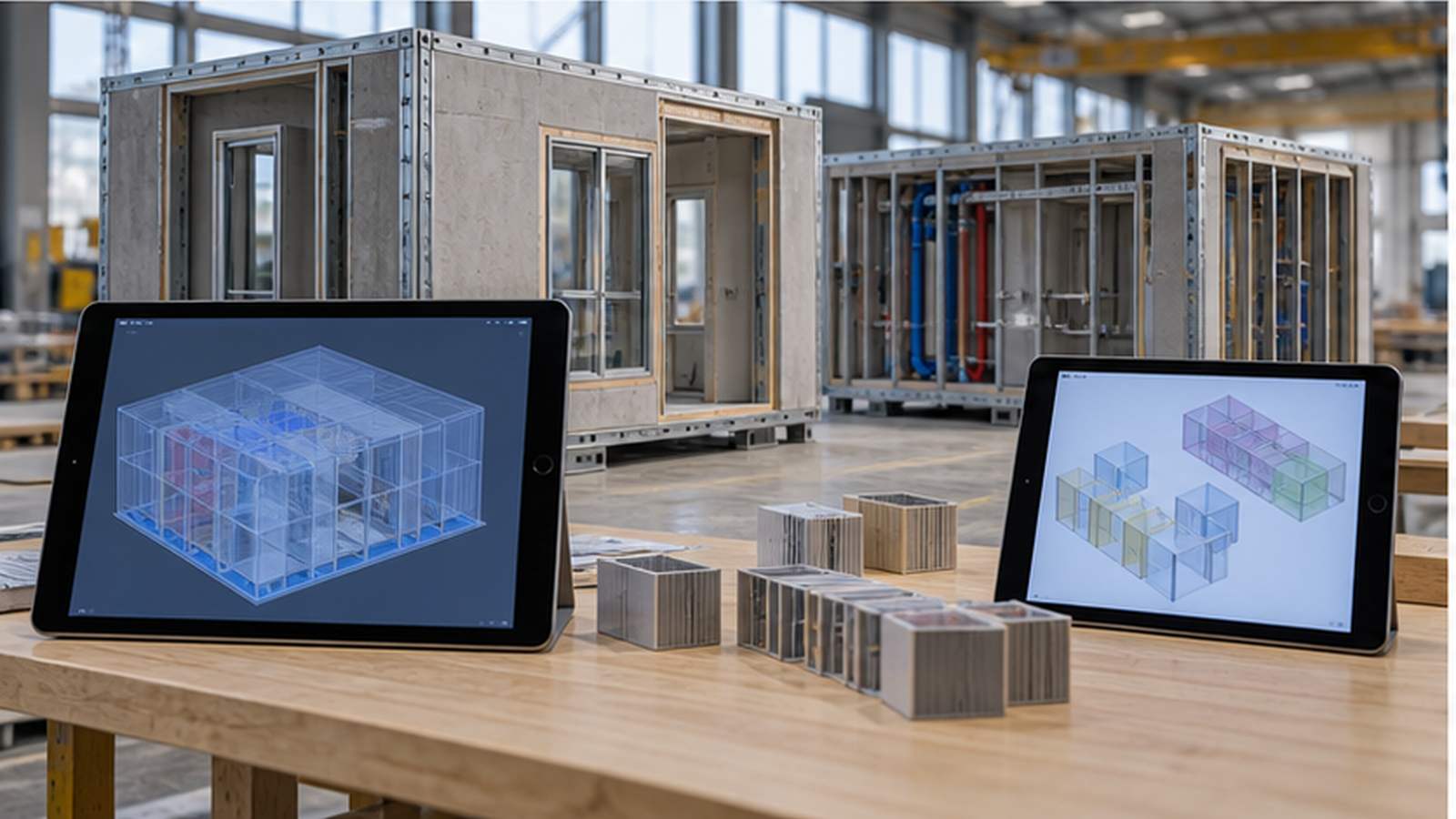
The proposed package uses factory-finished wall and roof panels, controlled wet-area construction and clearly identified foundation, drainage, power and communications connection points. Doors, glazing, shading, ventilation and material finishes are selected only after the exposure conditions, cleaning regime and local approval requirements are confirmed.
How are passenger operations considered?
Passenger terminals need practical circulation, information points, waiting areas and accessible routes that match the operating plan. The IMO Facilitation Convention information provides international context for facilitating maritime traffic, while the actual terminal arrangement must follow the operator's requirements and local regulations.
How are factory and site responsibilities separated?
The scope identifies factory fabrication, transport, foundations, lifting, weather sealing, services connection and commissioning as separate controlled activities. The ICC and MBI offsite construction reference is useful for defining factory and site responsibilities where adopted; it does not replace Philippine approvals or project engineering.
Delivery and Quality Controls
Before dispatch, the factory package should be checked for opening dimensions, concealed services, wet-area finishes, door hardware and interface records. On site, the release checks should cover foundation survey, lifting plan, module alignment, weather protection, drainage, electrical testing and safe public access before handover.
Buyer and Project Considerations
- Confirm passenger volumes, peak queues, operating hours and boarding procedure.
- Provide the surveyed site level, coastal exposure, drainage route and utility capacity.
- Agree accessible circulation, sanitary requirements and staff-service separation.
- Set factory, logistics, installation and commissioning responsibilities in one interface register.
- Define maintenance access, cleaning method, spare parts and handover records.
Related ZH-ENG Solution
Buyers planning a similar facility can review ZH-ENG modular building solutions and provide the route operation, room schedule, climate data, site survey and delivery constraints for configuration review.
Sources
Project source: linson. Technical references: IMO Facilitation Convention information and ICC/MBI offsite construction standards information.