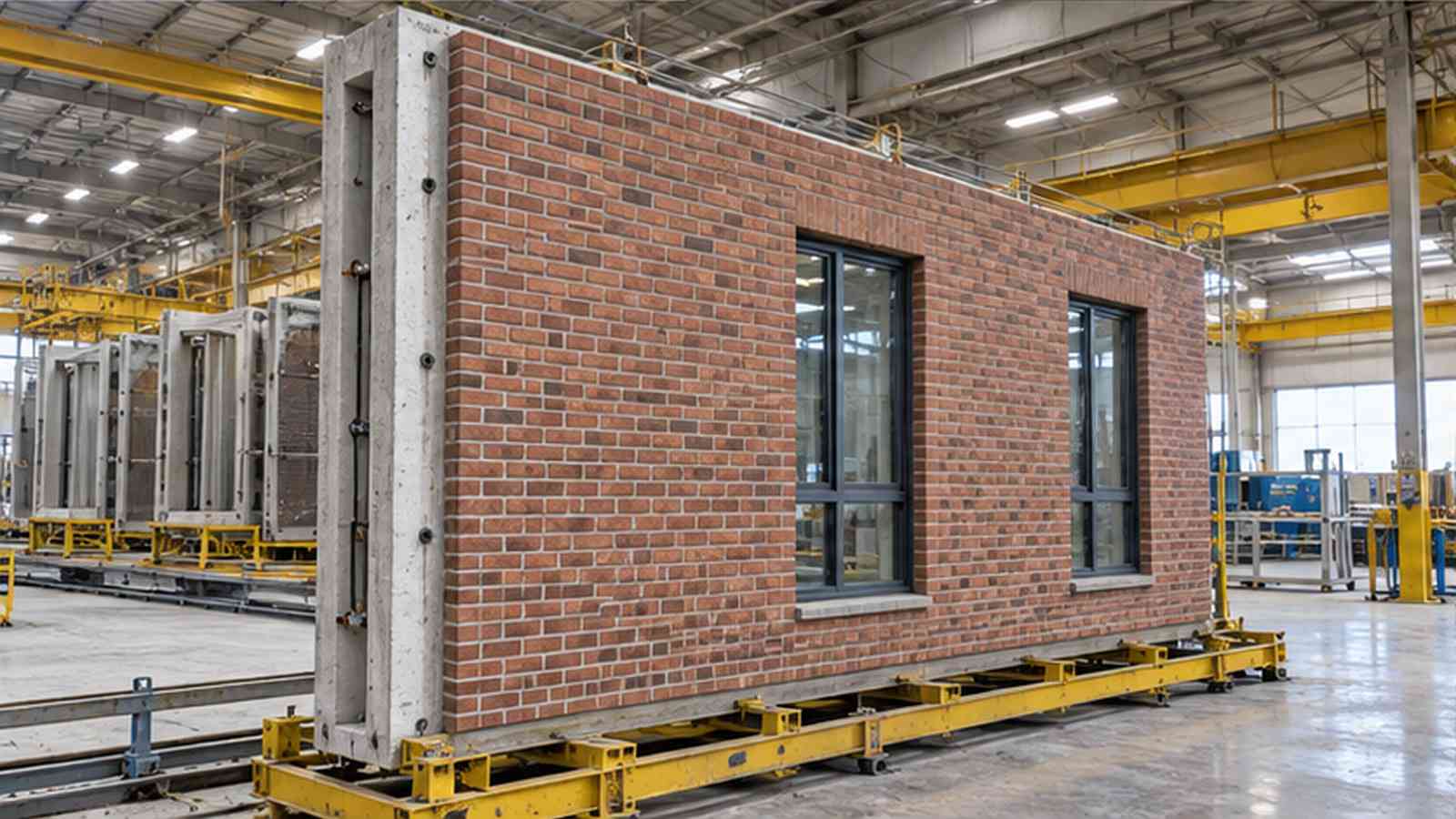



buildingSMART Moves IFCX Core into Its Next Approval and Delivery Phase
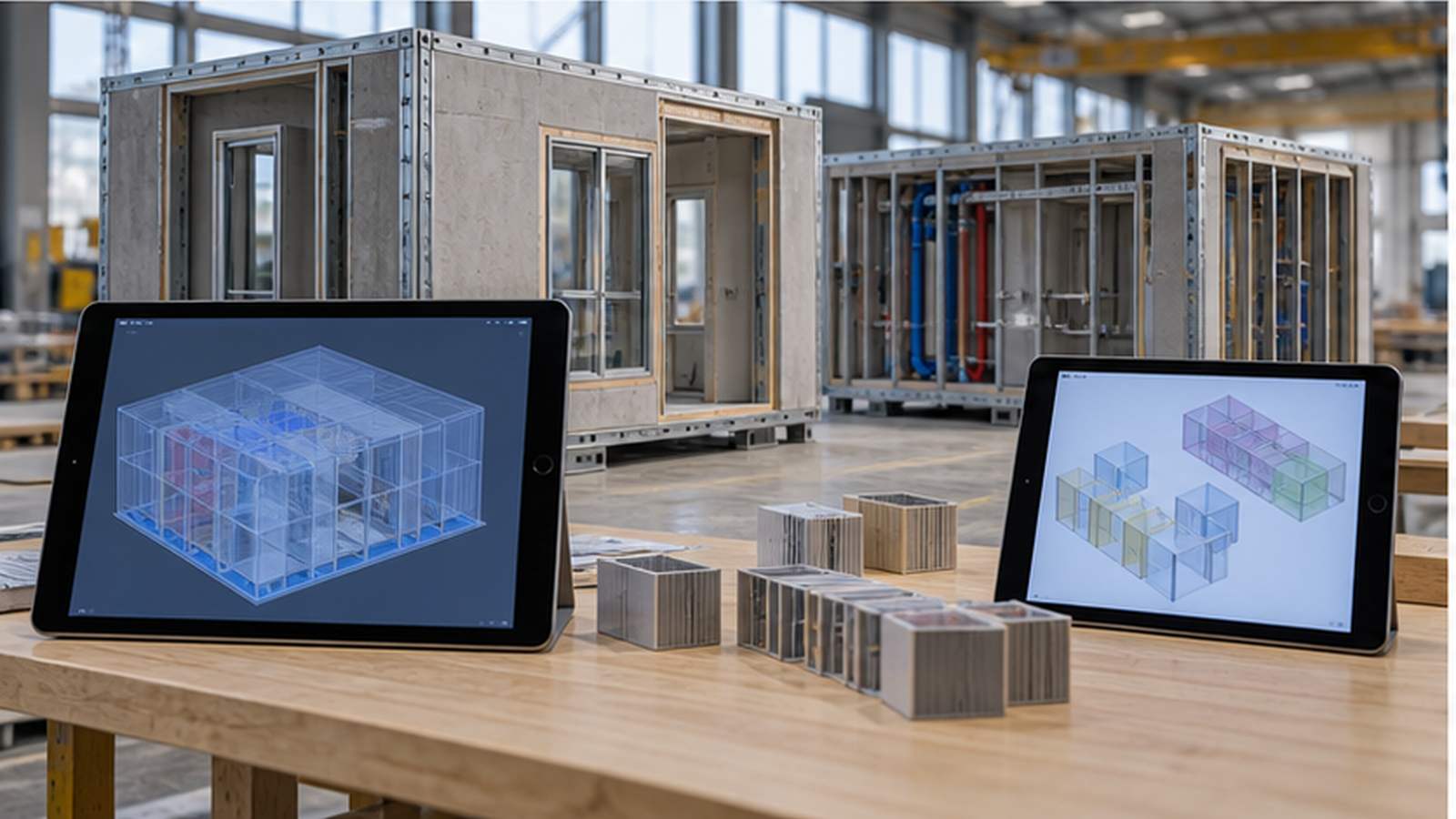
buildingSMART International says its IFCX Core and Modularisation project has passed the next phase of its approval process and is moving into funding and delivery. Announced in London on 26 August 2026, the project is intended to establish a minimal, modular and extensible foundation for the next generation of openBIM data exchange. The programme is being developed in coordination with ISO and CEN.
What the IFCX Core Project Is Intended to Deliver
According to buildingSMART's project update, the work will define common, domain-neutral concepts that future IFCX modules can reuse. It will also evaluate data-exchange technology and implementation choices, establish a framework for independent domain modules, and provide testing, guidance and governance mechanisms.
The organisation says the project plan has now completed the next internal approval phase. It is inviting sponsorship to support technical development, implementation testing, documentation, outreach and standardisation activities. This is a development-stage programme, not an immediate mandate for a particular project team to change its software or deliverables.
Why It Matters for Offsite and Modular Delivery
Repeatable assemblies depend on repeatable information
Panelised, volumetric and MEP-modular projects depend on reliable information moving between design, manufacturing, logistics and site installation. A modular data foundation could eventually make it easier to exchange disciplined product, interface and configuration data, but only if project teams define what information is needed and who validates it.
Interoperability remains a procurement requirement
Current project teams should still specify their required exchange formats, information milestones, model responsibility and acceptance checks. The existing IFC standard is published as ISO 16739-1; the IFCX initiative is a further development effort rather than a substitute for defining a project's own information requirements.
ZH-ENG Analysis
The near-term value is not a new file format by itself. It is a clearer basis for buyers to ask suppliers for structured, reusable data around modules, openings, services, weights, connection points and installation sequence. That reduces manual re-entry and makes mismatches visible earlier.
What Buyers and Project Teams Should Watch
- State the exchange format and model-delivery milestones in the procurement documents.
- Define required fields for module identification, interfaces, weights, services and installation sequence.
- Assign responsibility for checking geometry, data completeness and revision control.
- Test data exchange with representative assemblies before full production release.
- Follow buildingSMART's IFCX programme for future module definitions and implementation guidance.
For modular project coordination, buyers can review ZH-ENG modular building solutions and provide the required data format, module schedule and site-interface information.
Sources
buildingSMART International - IFCX Core and Modularisation Project Update
https://www.buildingsmart.org/ifcx-core-modularisation-project-update