


Korea Elevator Safety Rules Keep Periodic Reviews and Operating Records in Focus
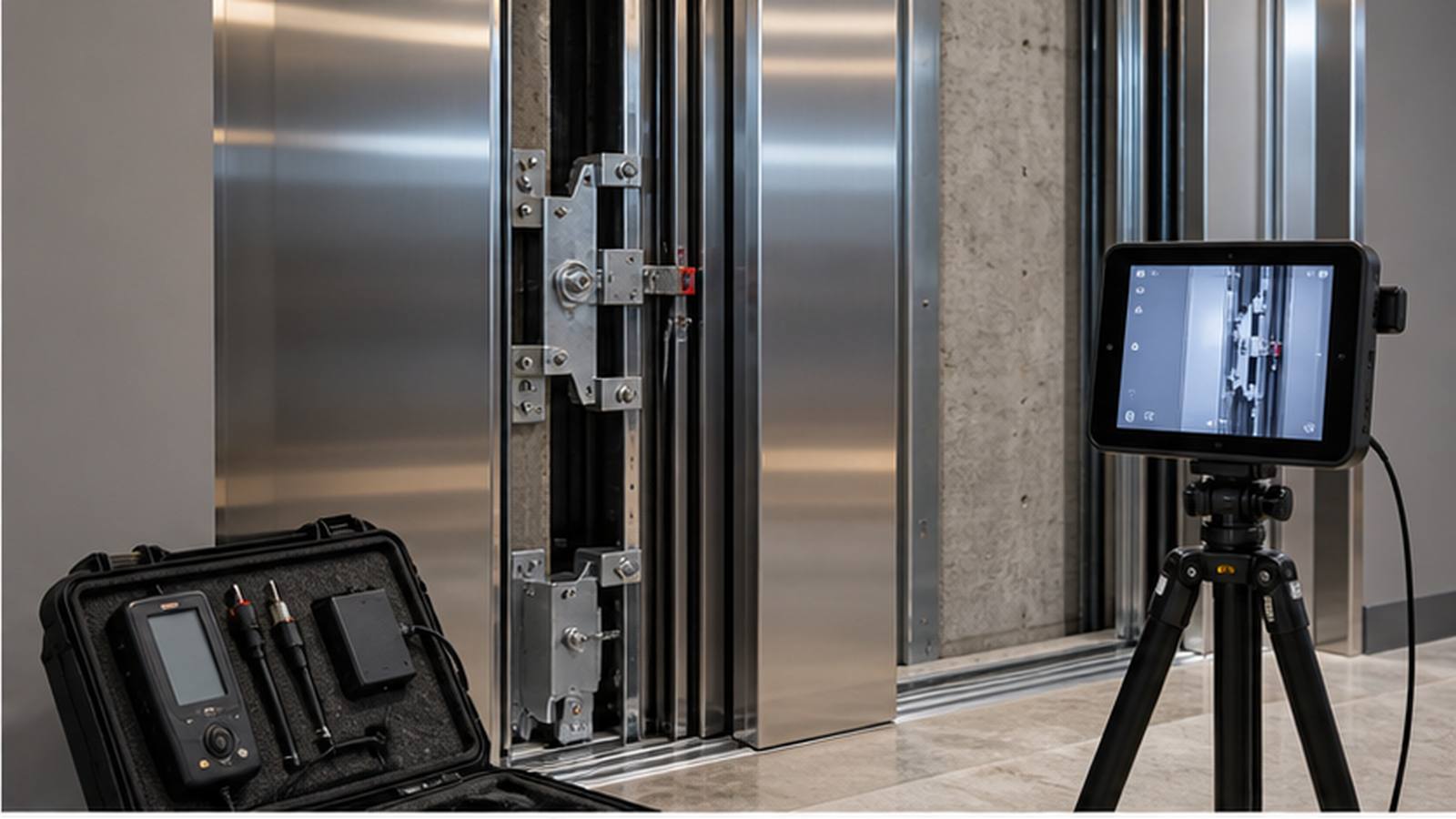
Korea's official legal database highlights Article 22 of the Enforcement Rule of the Elevator Safety Management Act, covering applications for periodic reviews of elevator safety components. The same legal page links the provision to operating-management, safety-certification and inspection regulations. For overseas suppliers and project owners, the practical message is that safety compliance continues after delivery through records, inspection routes and assigned operating responsibility.
What the Official Legal Record Shows
The National Law Information Center page identifies Article 22 and lists related administrative rules. These include the 2026 operating and management regulation, the 2024 rule on safety certification for elevator safety components and elevators, and the 2023 rule on installation and safety inspections.
The linked record is a legal-reference page, not a project specification. It should be used to identify the relevant Korean rule set and effective dates; the final obligations for a particular lift, component, importer or maintenance provider require review against the applicable Korean text and project circumstances.
Why Operating Management Changes the Supply Conversation
Installation evidence is only part of the handover
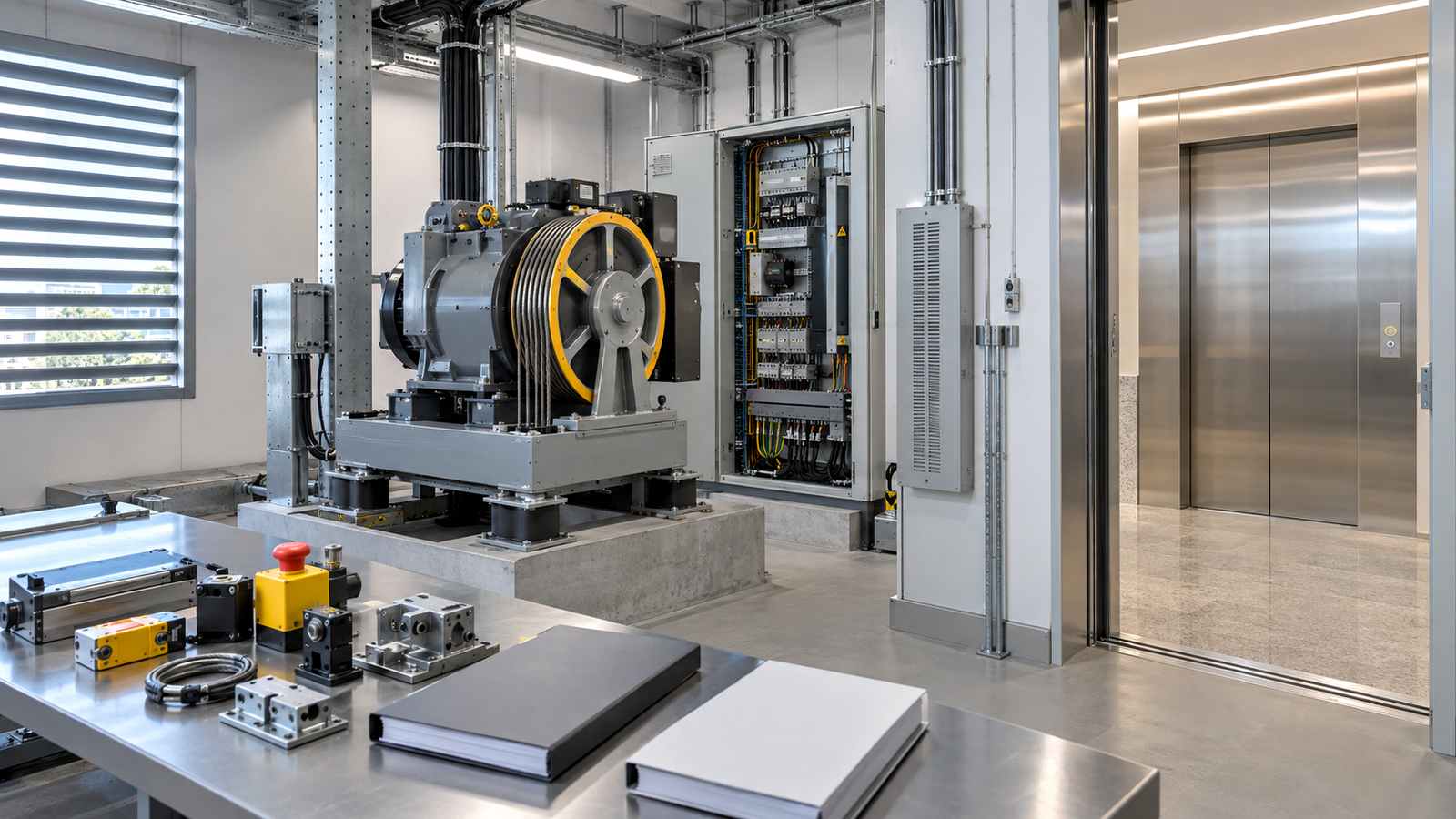
Export documents often focus on the supplied equipment. The Korean framework points buyers to a longer chain: product or component evidence, installation inspection, operating records and maintenance responsibility. Tender packages should identify the documents required at each stage and who will retain them locally.
Safety components need traceability
When a safety component is subject to a review or certification route, the product code, configuration, documents and substitution controls must remain traceable. The Korea Elevator Safety Agency's information-management overview describes the national elevator information system's use of safety information, including inspection history. A component that looks similar is not necessarily interchangeable in the regulatory or inspection file.
ZH-ENG Analysis
For cross-border projects, the most effective procurement approach is to build the compliance file alongside the bill of materials. This avoids a late request for Korean-language documents, missing traceability, or ambiguity over who supports an inspection or later periodic review.
What Buyers and Distributors Should Watch
- Confirm the current Korean legal provisions and any transitional dates before quotation.
- Map each supplied safety component to its product identification and supporting evidence.
- Agree document language, translation responsibility and local record custody.
- Define the party responsible for installation inspection, operating management and maintenance support.
- Control substitutions through a documented approval process.
ZH-ENG can assist with early documentation and compatibility discussions for elevator systems and components when buyers provide the destination, project role, equipment scope and local inspection route.
Sources
Korean Ministry of Government Legislation - Enforcement Rule of the Elevator Safety Management Act, Article 22 legal reference
https://www.law.go.kr/LSW/joStmdInfoP.do?joBrNo=00&joNo=0022&lsiSeq=197074