


EU AI Act Enters into Force in August 2026, Elevator AI Safety Components Classified as High-Risk Systems
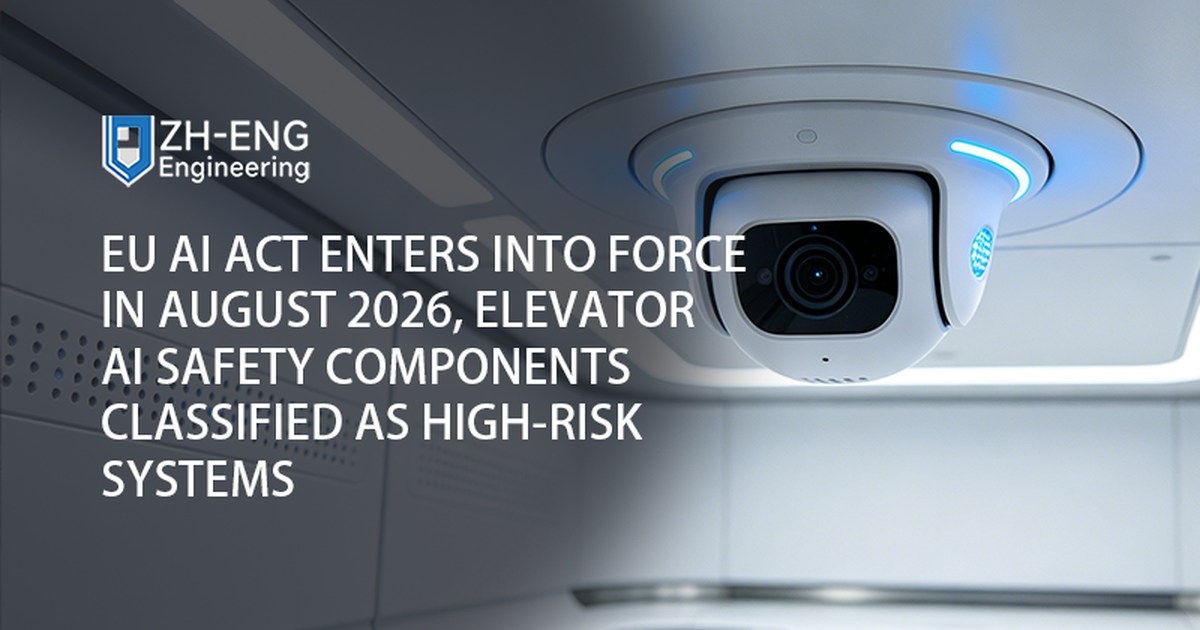
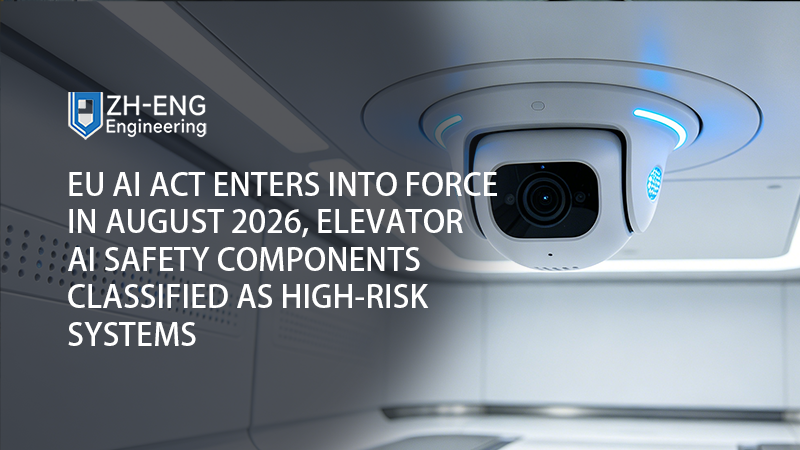
The EU Artificial Intelligence Act was officially signed on August 1, 2024, adopting a tiered regulatory model that classifies AI systems into four levels based on their risk degree: unacceptable risk, high risk, medium risk, and low risk. In the elevator industry, AI systems used for safety functions (such as AI-driven fault prediction, abnormal behavior detection, automatic rescue systems, etc.) are classified as high-risk systems. Key compliance requirements include:
1) Establishing a comprehensive risk management system;
2) Ensuring the quality and representativeness of training data;
3) Providing clear technical documentation and user instructions;
4) Maintaining human oversight capabilities;
5) Ensuring system traceability;
6) Conducting regular conformity assessments.
The act stipulates that high-risk AI systems that do not meet the requirements will be banned from sale in the EU market. Elevator manufacturers need to complete compliance transformation of existing products by August 2, 2027.