


Modular Cold-Chain Produce Inspection and Packing Facility
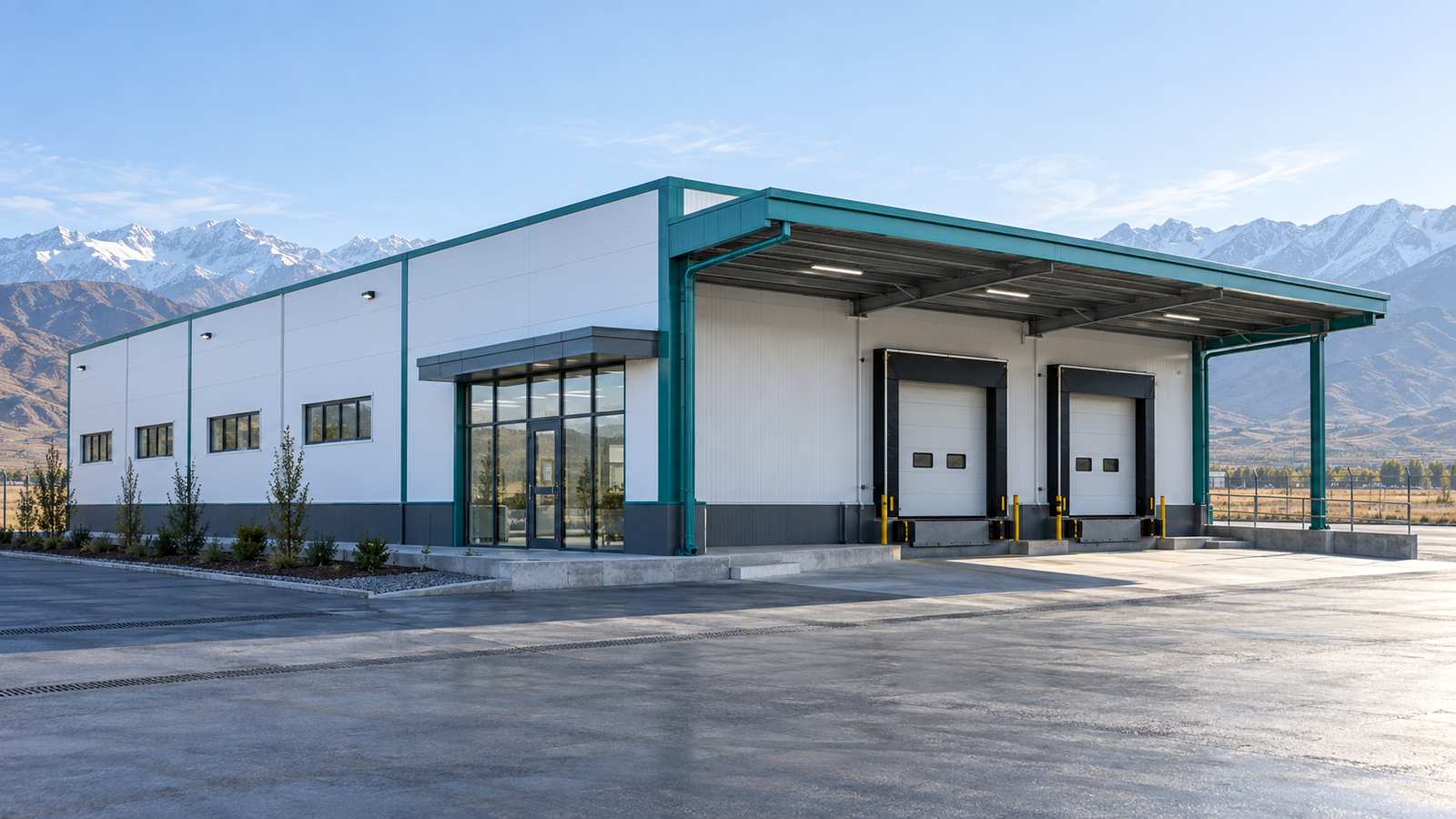
This project configuration presents a modular cold-chain produce inspection and packing facility in Almaty Region, Kazakhstan, completed in September 2026. The scheme separates receiving, inspection, wash-down, grading, packing, chilled holding and dispatch functions while allowing future capacity to be added in repeatable bays. Final dimensions, temperatures, throughputs and equipment loads remain subject to verified site data and local approval.
Project Overview
The buyer brief called for a compact processing building that could support seasonal agricultural volumes without mixing incoming produce, clean packing activities and outbound logistics. The proposed solution uses factory-finished modules for staff, inspection and service rooms, with larger panelised bays for wash-down, packing and chilled storage.
Direct Answer
The core project value is controlled flow. Produce moves in one direction from receiving to dispatch, while staff circulation, waste removal and maintenance access follow separate routes. This reduces cross-traffic and makes cleaning and operational supervision easier.
Process Layout and Technical Configuration
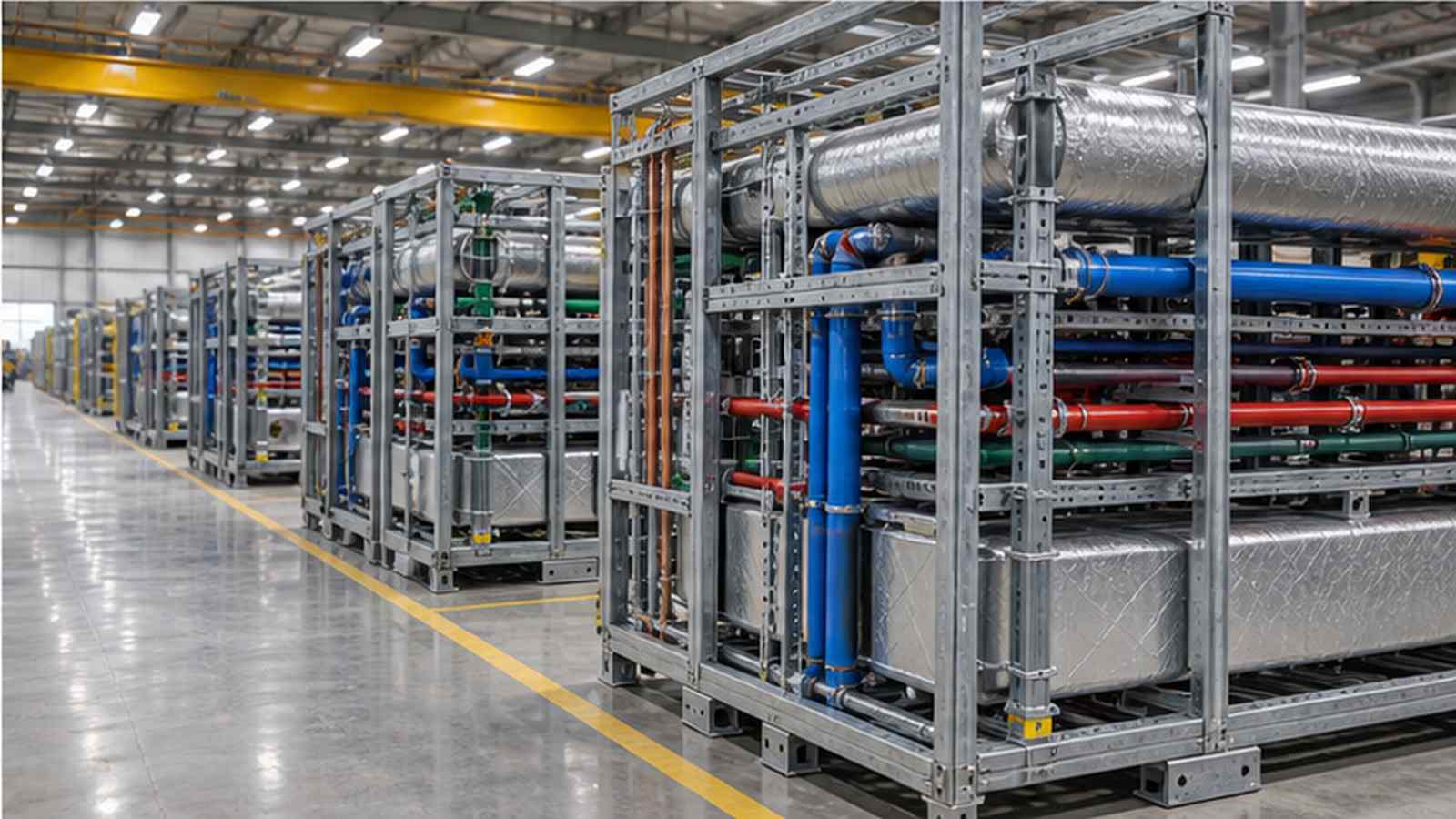
The configuration includes a covered receiving canopy, sampling desk, washable inspection room, grading and packing area, pre-cool zone, chilled holding room, dispatch interface, staff hygiene lobby, utility room and a small quality-control office. Door positions, floor falls, drainage and equipment clearances are coordinated before factory release.
How is cold-chain performance protected?
Temperature zones are separated with insulated envelopes, sealed junctions and controlled door openings. The FAO's post-harvest handling guidance explains why rapid cooling, temperature management and careful handling matter to product quality. Project setpoints and refrigeration duty must be confirmed for the actual produce, throughput and ambient conditions.
How are hygiene and wash-down handled?
Cleanable internal finishes, coved junctions, trapped drainage and accessible services support routine sanitation. The U.S. FDA's sanitary transportation rule overview is a useful reference for controlling contamination during transport, although the project must follow Kazakhstan's applicable food, building and workplace requirements.
Offsite Delivery and Quality Controls
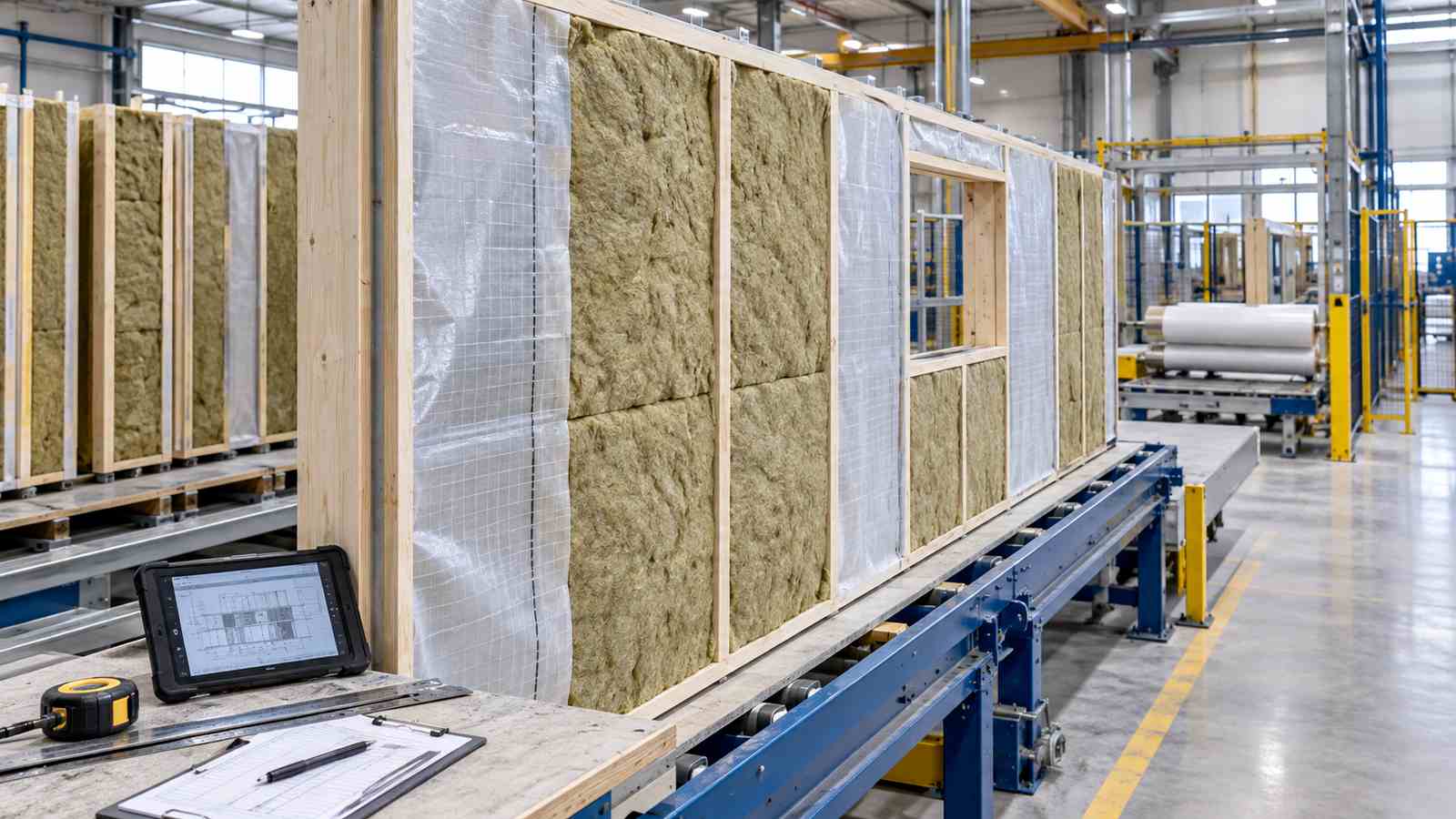
Factory hold points cover panel joints, vapour-control layers, washable finishes, drainage interfaces, service penetrations and door seals. Site hold points cover foundations, module alignment, weather sealing, refrigeration connections, drainage testing and commissioning. The ICC and MBI offsite standards information provides a useful framework for separating factory and site responsibilities where adopted.
Buyer and Project Considerations
- Define produce types, daily throughput, crate sizes and operating shifts.
- Confirm ambient design conditions and required temperatures for each zone.
- Issue equipment loads, drainage volumes, water quality and electrical data.
- Separate clean and dirty flows, staff entry, waste handling and maintenance access.
- Agree commissioning records, spare parts, cleaning procedures and operator training.
Related ZH-ENG Solution
Buyers planning a similar facility can review ZH-ENG modular building solutions and provide the site, process flow, room schedule, climate data, utilities and delivery constraints for configuration review.
Sources
Project source: linson.
Technical references: FAO post-harvest handling guidance; U.S. FDA sanitary transportation overview; ICC and MBI offsite construction standards information.