


NLR Study Reports Modular Multifamily Cost and Schedule Savings: What Buyers Must Validate
What does the 2026 NLR modular housing study report?
What is the direct answer?
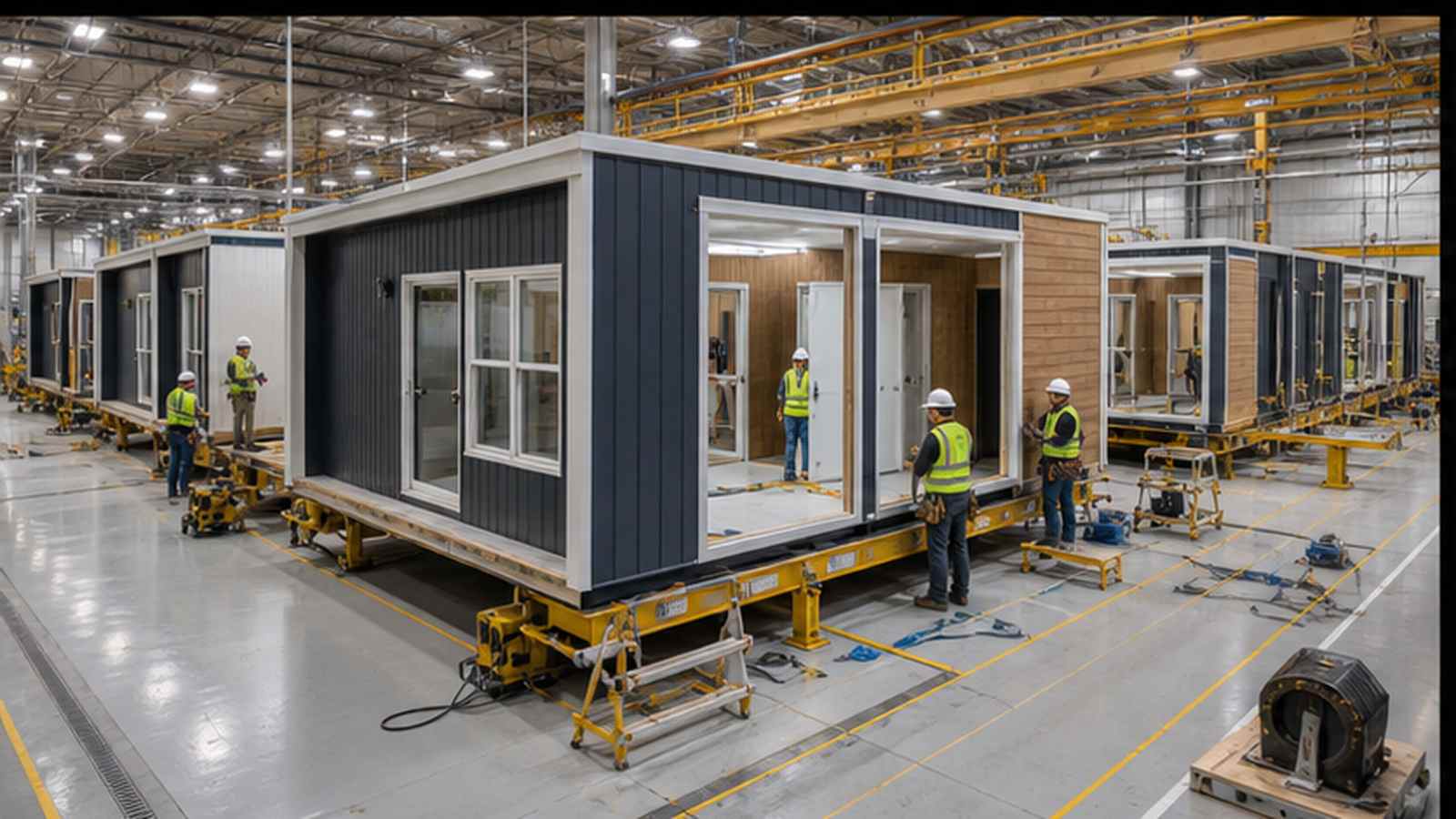
Direct answer: A National Laboratory of the Rockies preprint presented at the 2026 ACEEE Summer Study compares a 195-unit site-built project with a 66-unit modular project in Los Angeles. The authors report a pathway to 10-15 percent total development cost savings and roughly 50 percent schedule reduction, together with lower construction waste.
Primary source: National Laboratory of the Rockies, 2026. These are study findings for defined projects, not guaranteed results for every location, building type or supplier.
How should buyers interpret the reported savings?
Are two projects automatically comparable?
Direct answer: No. Compare land, design maturity, unit mix, structure, finishes, labor market, factory utilization, transport distance, financing, approvals and site works. Savings should be separated into repeatable manufacturing effects and project-specific conditions.
NIST's Applied Economics Office provides methods and tools for evaluating building investments over their lifecycle. Buyers should document the analysis period, discount assumptions, included costs and residual risks.
Which schedule boundaries must be stated?
Direct answer: Define whether the comparison starts at design, permit, factory release or site mobilization and whether it ends at module completion, installation or occupancy. Include utility connections, inspections, commissioning and correction of defects.
How should waste reduction be verified?
Which records make the claim auditable?
Direct answer: Track purchased material, offcuts, reuse, recycling, disposal, packaging and rejected work by module batch. Record both factory and site waste, because shifting work off-site does not remove the need to measure the full project boundary.
What must be locked before series production?
Which interfaces create the highest procurement risk?
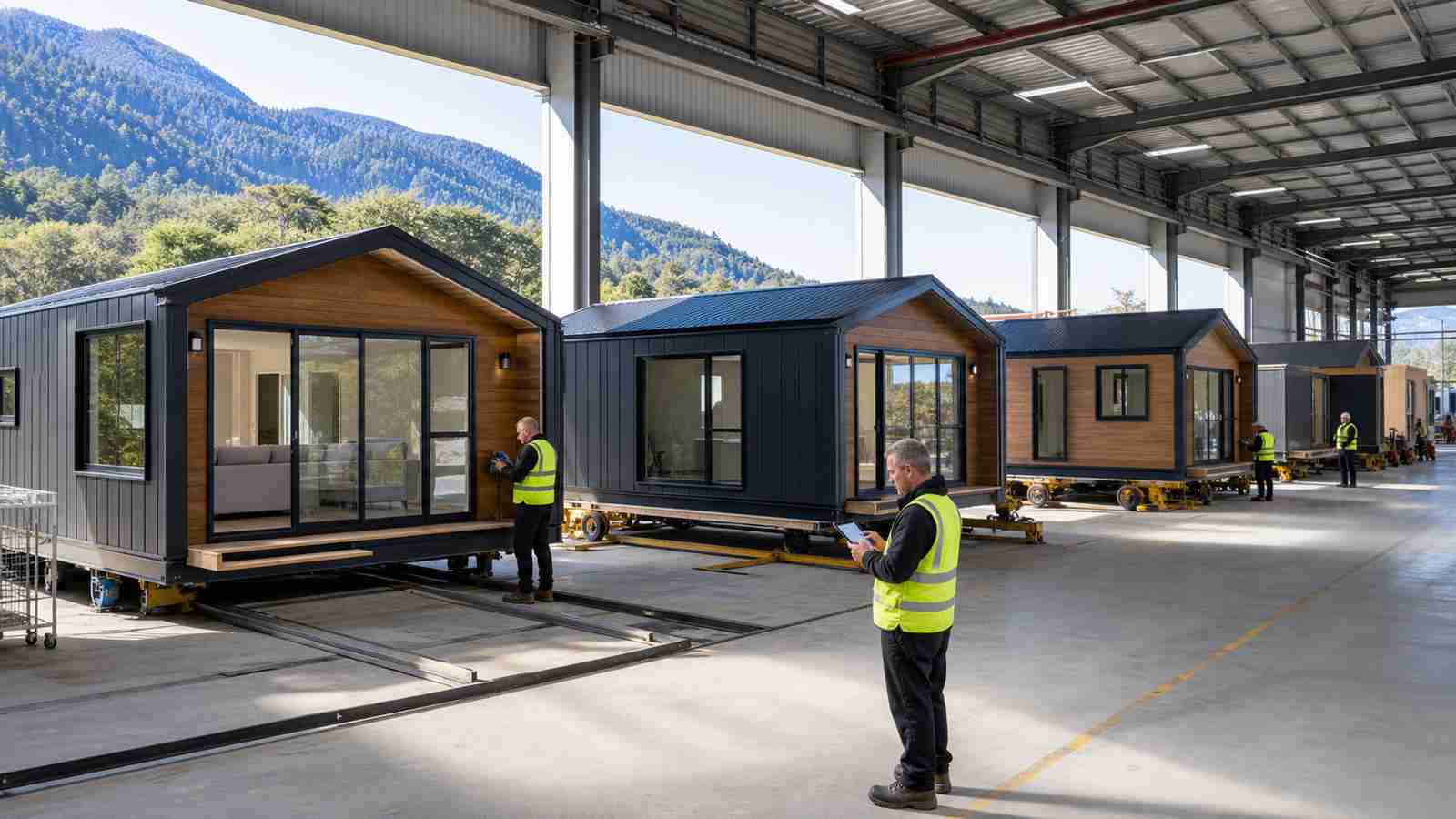
Direct answer: Freeze the module grid, structural connections, fire strategy, acoustic details, service risers, facade interfaces, transport envelope, lifting points and inspection hold points. A full-scale sample module should be accepted before repeated production.
How can ZH-ENG support a modular multifamily brief?
International buyers can review ZH-ENG modular building solutions. A useful request identifies the destination, unit mix, approval route, target output, finish boundary, transport constraints and evidence needed to substantiate cost and schedule assumptions.