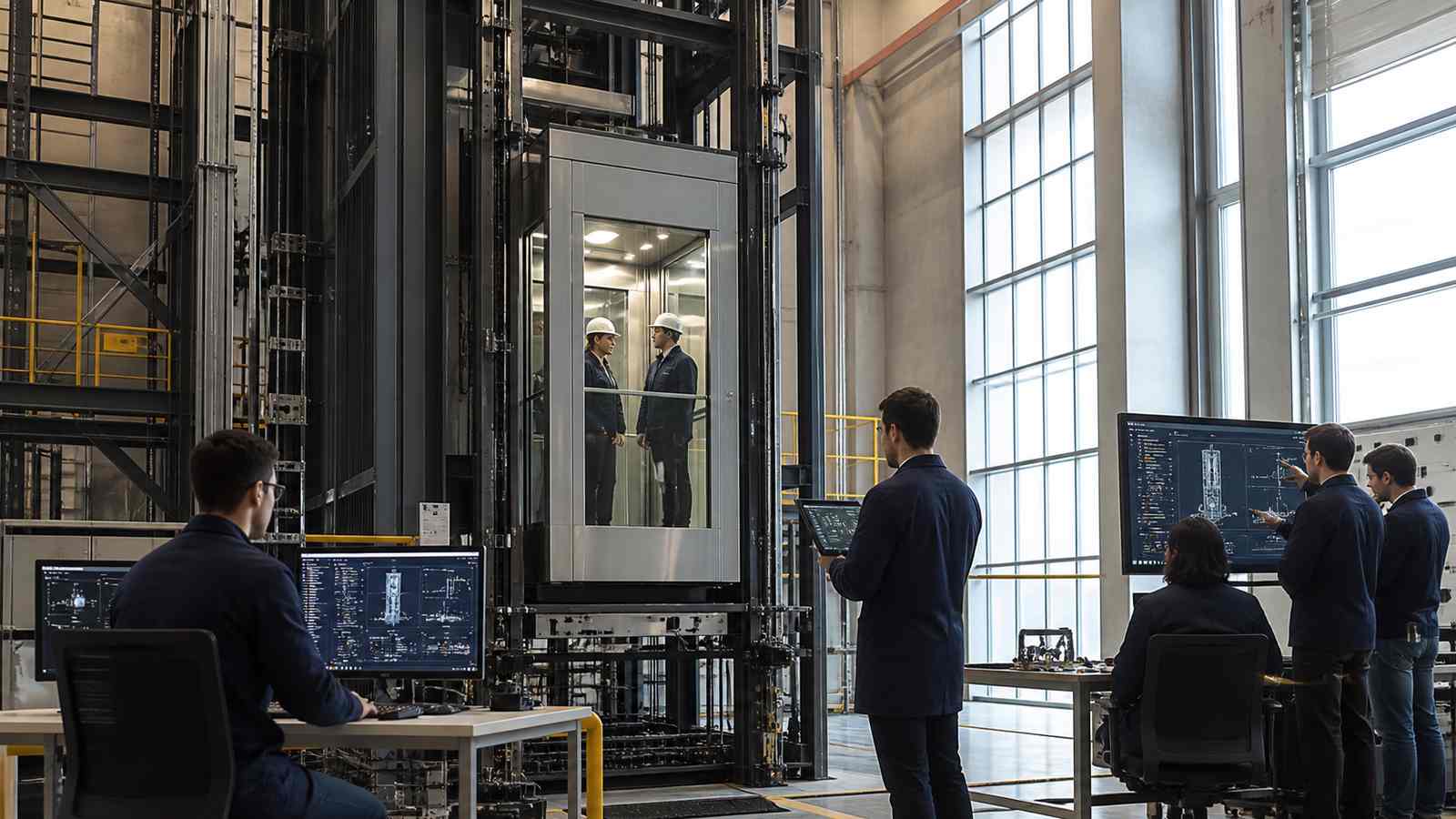



CTA Reopens Austin Green Line Station with Full Accessibility: An Elevator Acceptance Guide
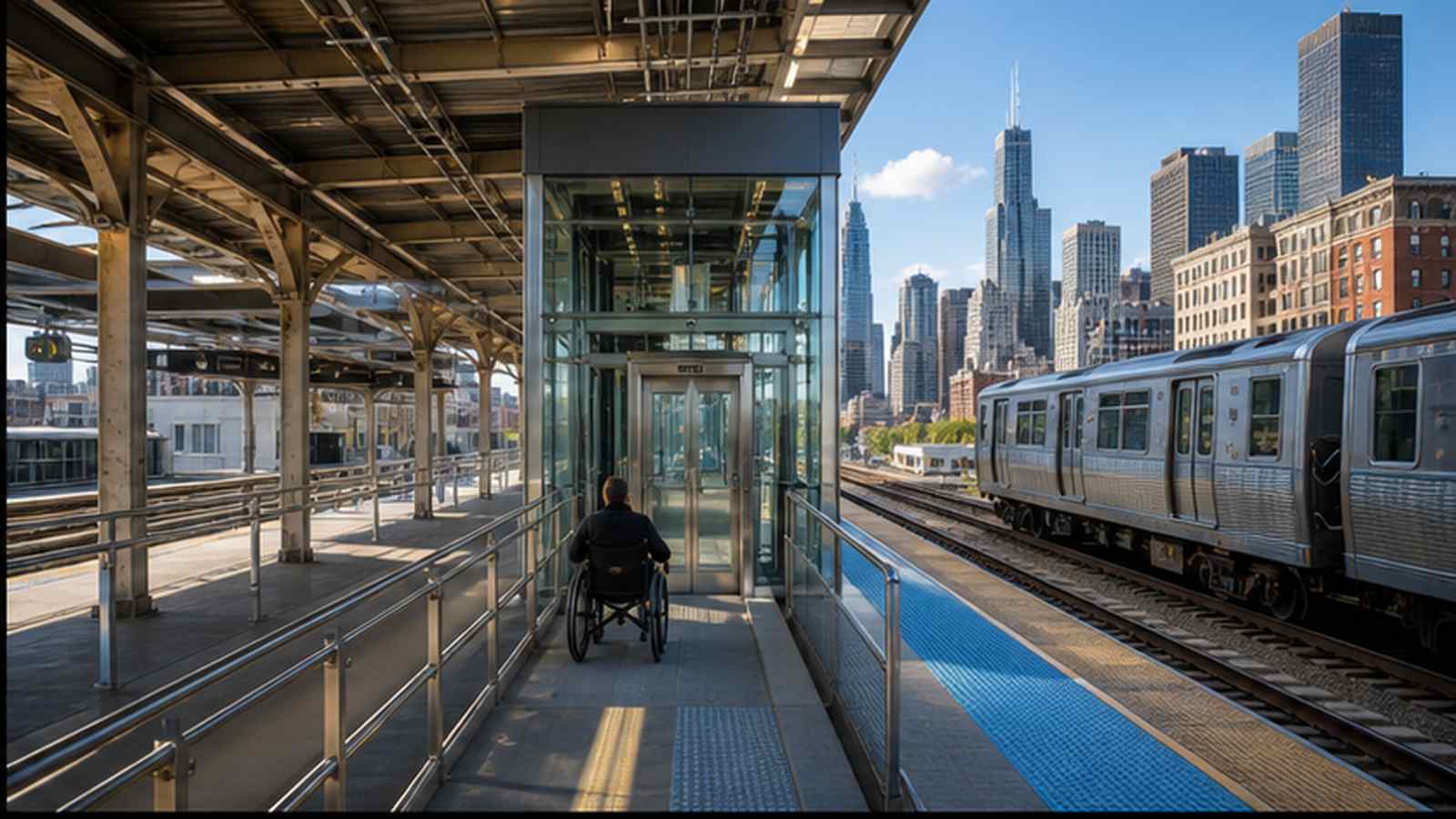
What changed at CTA's Austin Green Line station?
What is the direct answer?
Direct answer: The Chicago Transit Authority reopened the Austin Green Line station on August 7, 2026 after a US$25 million reconstruction that made the station fully accessible. CTA reported that 110 of its 146 rail stations, or 75 percent, were accessible to people using mobility devices.
Primary source: Chicago Transit Authority, August 7, 2026. The published program figures describe CTA's network; project buyers should verify each station's final equipment and acceptance records separately.
What defines an accessible elevator route?
Is installing an elevator enough?
Direct answer: No. The entire route must work from the public entrance to platforms, including clear widths, slopes, turning space, doors, controls, audible and visual information, signage and an alternative plan during outages.
The U.S. Department of Justice publishes the official 2010 ADA Standards for Accessible Design. The applicable transit, state and local requirements must be confirmed during design review.
Which user scenarios should be tested?
Direct answer: Test wheelchair approach and turning, low-reach controls, door timing, audible and visual indications, emergency communication, assisted evacuation procedures and the route between street and platform. Include tests under peak passenger flow and service interruption.
How should transit-duty reliability be specified?
Which environmental conditions matter?
Direct answer: State temperature, moisture, wind-driven rain, airborne dust, vandal resistance, drainage, corrosion exposure and operating hours. Door systems, fixtures and communications should be selected and tested for the station's actual duty cycle.
The ASME A17.1/CSA B44 overview covers elevator design, installation, inspection, testing, maintenance, alteration and repair. Buyers should freeze the adopted code edition and authority interpretation before production.
What belongs in the handover package?
How can outage risk be reduced?
Direct answer: Require as-built drawings, rescue procedures, inspection approvals, test certificates, maintenance schedules, critical spares, diagnostic access, fault escalation and availability reporting. The operator should also define passenger communication and accessible alternatives during planned or unplanned outages.
How can ZH-ENG support a transit-elevator inquiry?
Buyers can review ZH-ENG elevator solutions and elevator components. Provide shaft data, travel, entrances, duty cycle, climate exposure, accessibility requirements and authority standards before a project-specific package is proposed.