


FEMA Flood Guidance Changes How Relocatable and Permanent Modules Meet the Ground
FEMA building-science guidance makes flood elevation, anchorage and utility protection central to projects in flood-prone locations.
A factory-built module does not avoid site flood requirements. Hazard data, occupancy and local adoption determine the project criteria.
What the Source Establishes
The cited authority defines the regulatory or technical context. It does not remove the need to confirm the adopted edition, project scope and destination-market approval route.
Why It Matters for Procurement
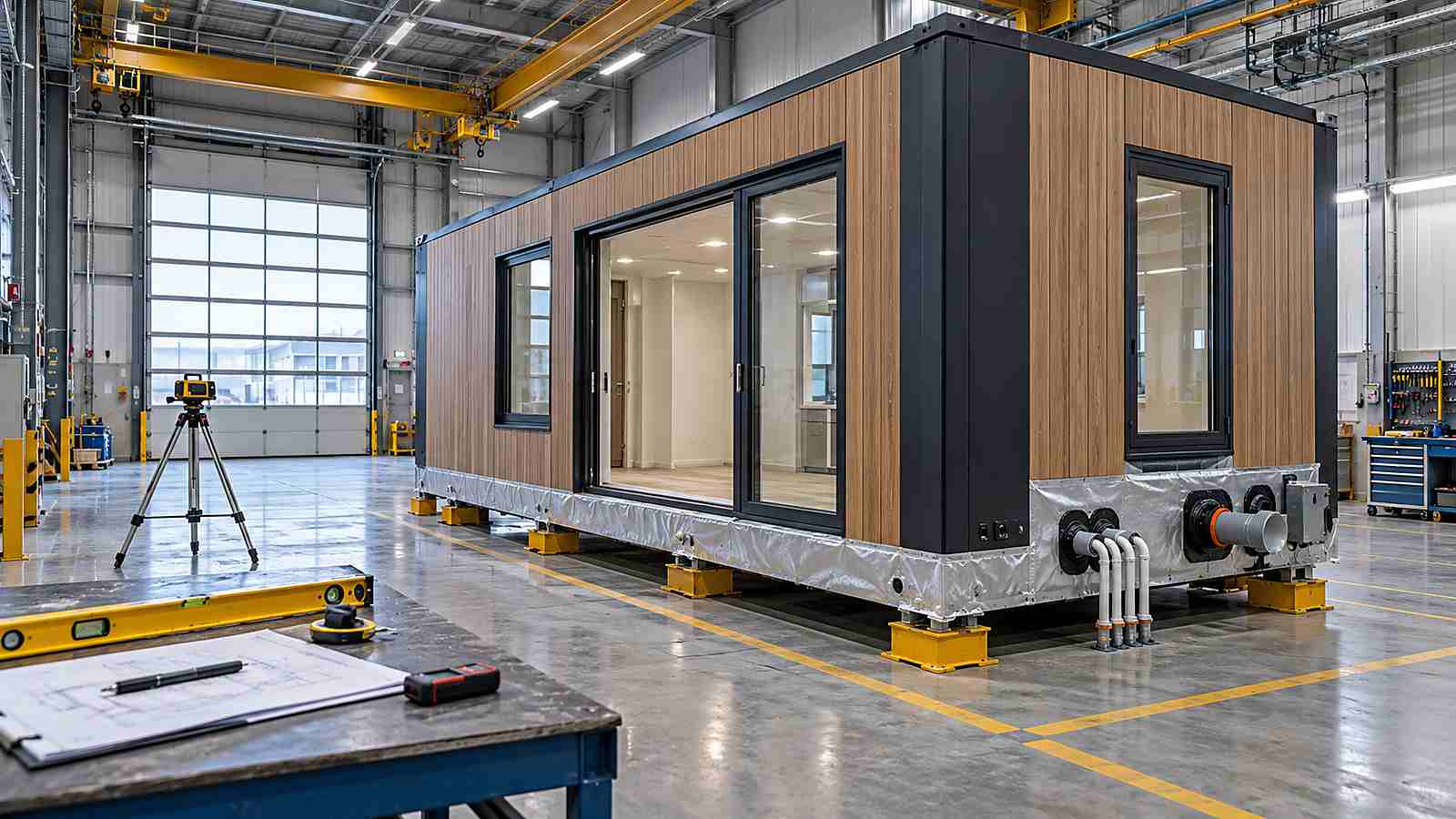
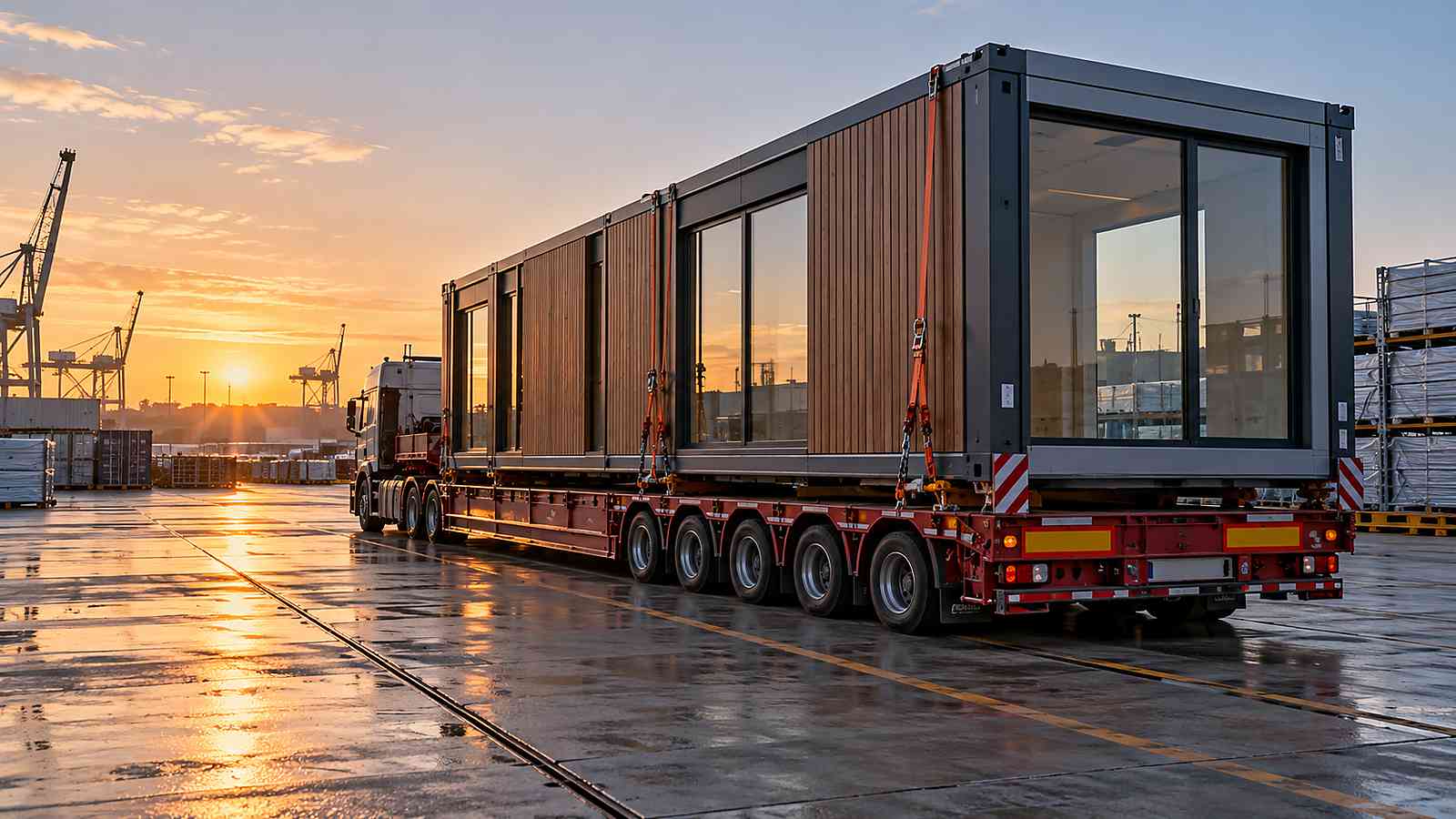
Foundation height, access, stairs, MEP entry and transport assumptions must be resolved together before production.
Points Buyers Should Verify
- Obtain current flood and site data.
- Coordinate anchorage and elevated utilities.
- Keep local approval separate from factory inspection.
For cross-border projects, the safest sequence is to confirm jurisdiction, duty, interfaces and evidence before manufacturing. The ICC/MBI off-site standards reference can support technical discussion where relevant, while local law remains decisive.
ZH-ENG Editorial Analysis
For ZH-ENG, the issue is not adding another catalogue item; it is converting project requirements into a traceable supply boundary. Buyers comparing a modular building supply partner should provide drawings, code basis, operating conditions and acceptance requirements before requesting final selection.
What to Watch
Adoption dates, guidance revisions and authority interpretations can change. Project teams should preserve the source edition and subsequent clarifications in the procurement file.
Sources
Federal Emergency Management Agency — FEMA Flood Guidance Changes How Relocatable and Permanent Modules Meet the Ground
https://www.fema.gov/emergency-managers/risk-management/building-science