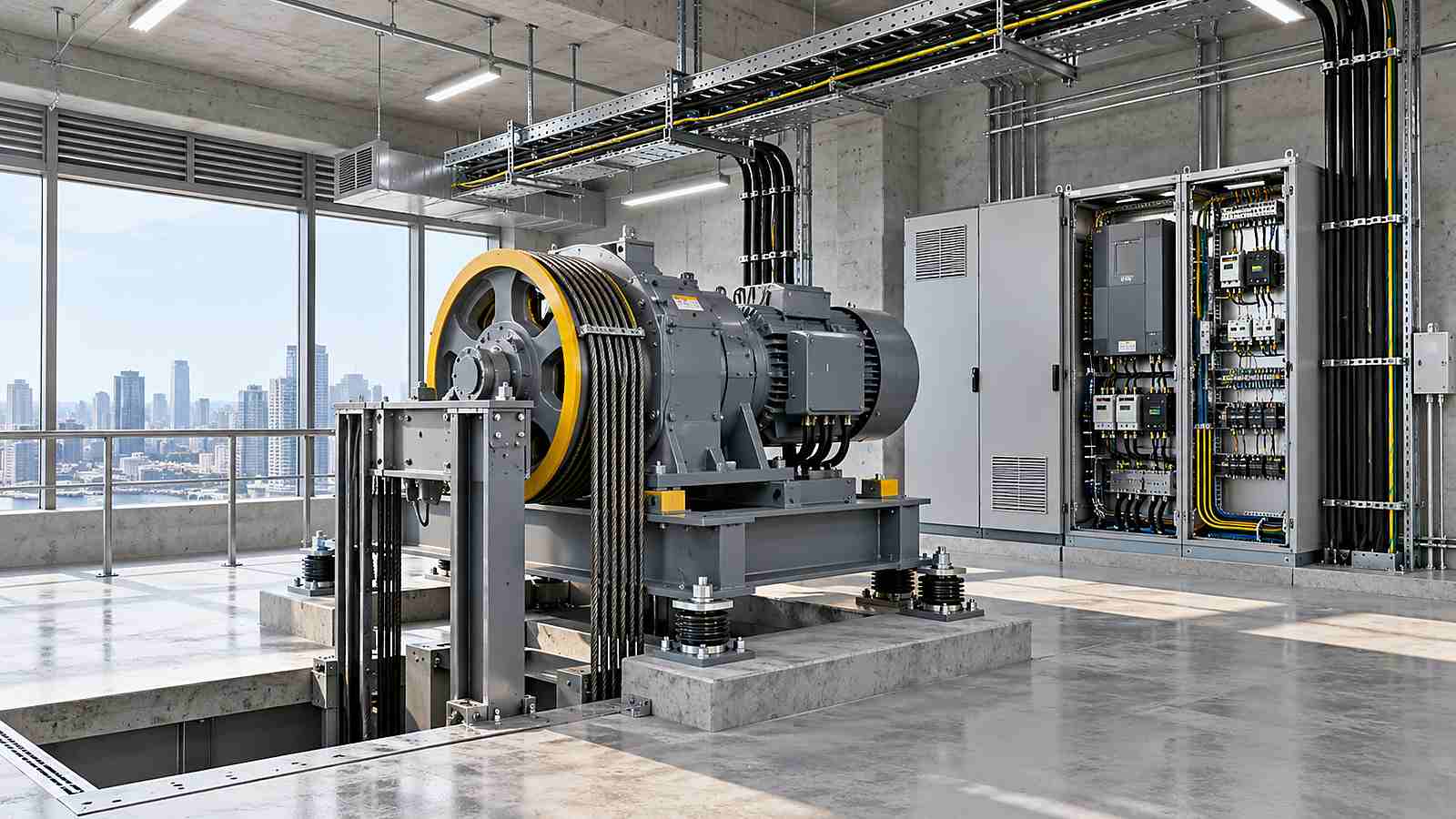



EU Lift Directive Documentation Starts Before Equipment Reaches Site
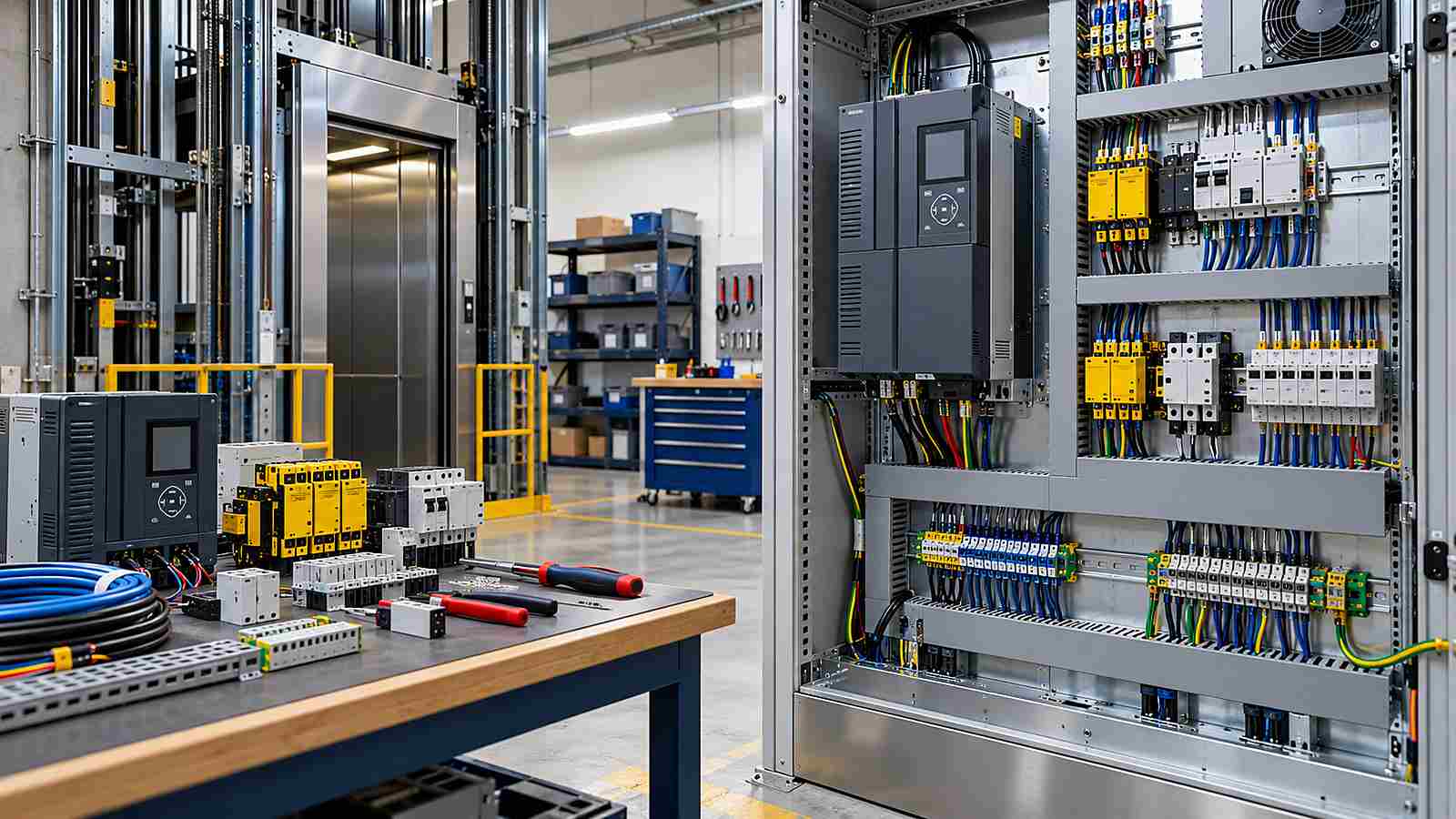
The European Commission’s lift framework requires project teams to treat conformity documentation as part of supply, not an afterthought to installation.
The Lift Directive defines essential health and safety requirements and conformity-assessment obligations for lifts and safety components. Harmonised standards can support presumption of conformity.
What the Source Establishes
The cited authority defines the regulatory or technical context. It does not remove the need to confirm the adopted edition, project scope and destination-market approval route.
Why It Matters for Procurement
For exporters, technical files, declarations, traceability and notified-body steps can affect lead time as strongly as manufacturing.
Points Buyers Should Verify
- Define installer and component-supplier roles.
- List declarations and traceability records in the purchase order.
- Schedule conformity activities before shipment.
For cross-border projects, the safest sequence is to confirm jurisdiction, duty, interfaces and evidence before manufacturing. The ISO 8100 lift safety reference can support technical discussion where relevant, while local law remains decisive.
ZH-ENG Editorial Analysis
For ZH-ENG, the issue is not adding another catalogue item; it is converting project requirements into a traceable supply boundary. Buyers comparing a China elevator components supplier should provide drawings, code basis, operating conditions and acceptance requirements before requesting final selection.
What to Watch
Adoption dates, guidance revisions and authority interpretations can change. Project teams should preserve the source edition and subsequent clarifications in the procurement file.
Sources
European Commission — EU Lift Directive Documentation Starts Before Equipment Reaches Site
https://single-market-economy.ec.europa.eu/sectors/mechanical-engineering/lifts_en