



🏟️ Project Overview
This case features a temporary modular container deployment system designed for stadium-scale audience management and hospitality services.
The system includes:
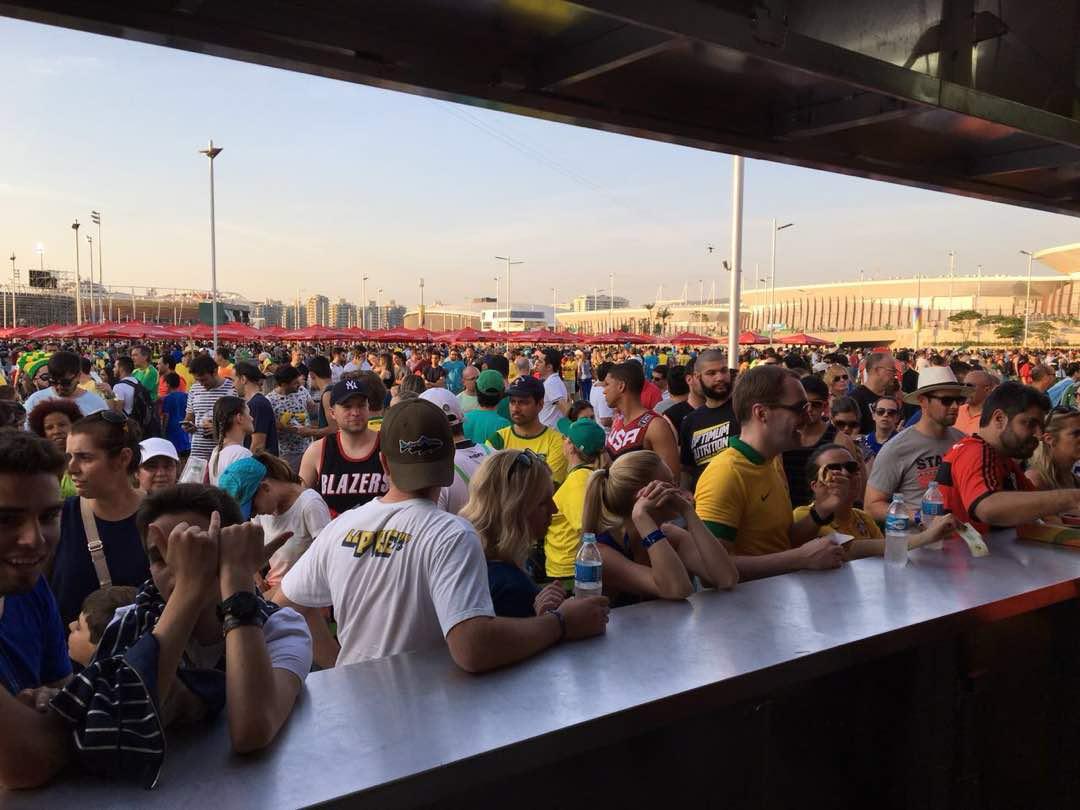
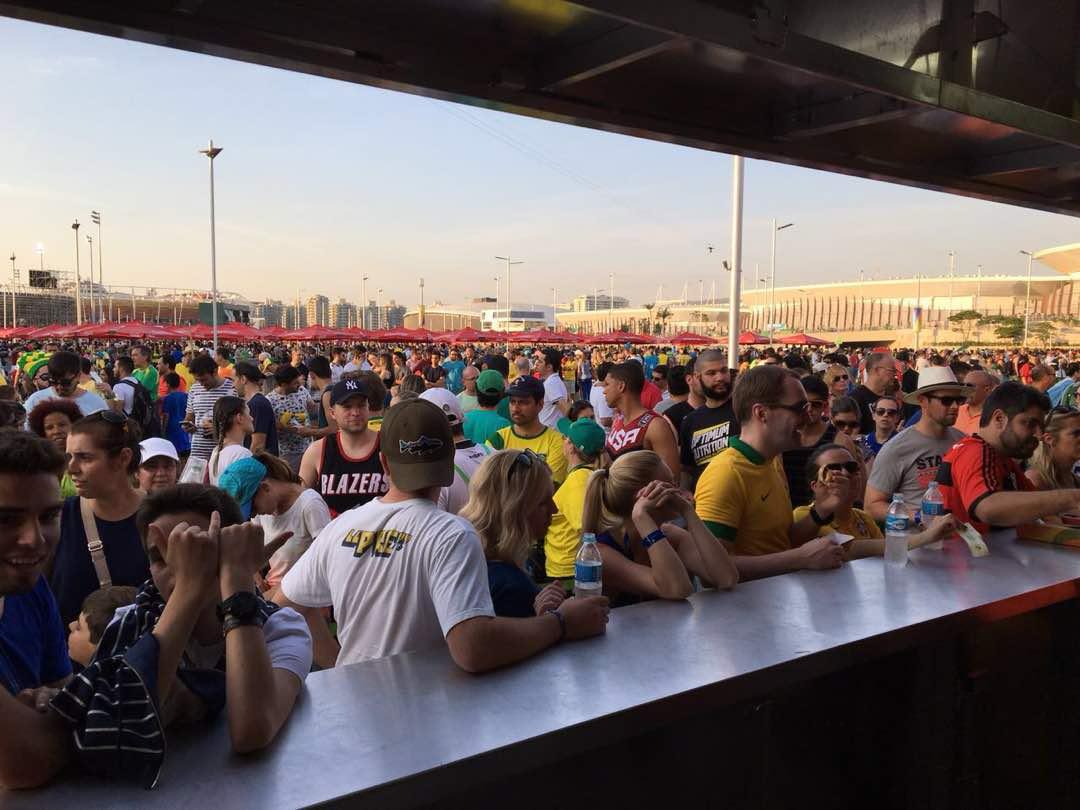
- Outdoor crowd-facing service counters
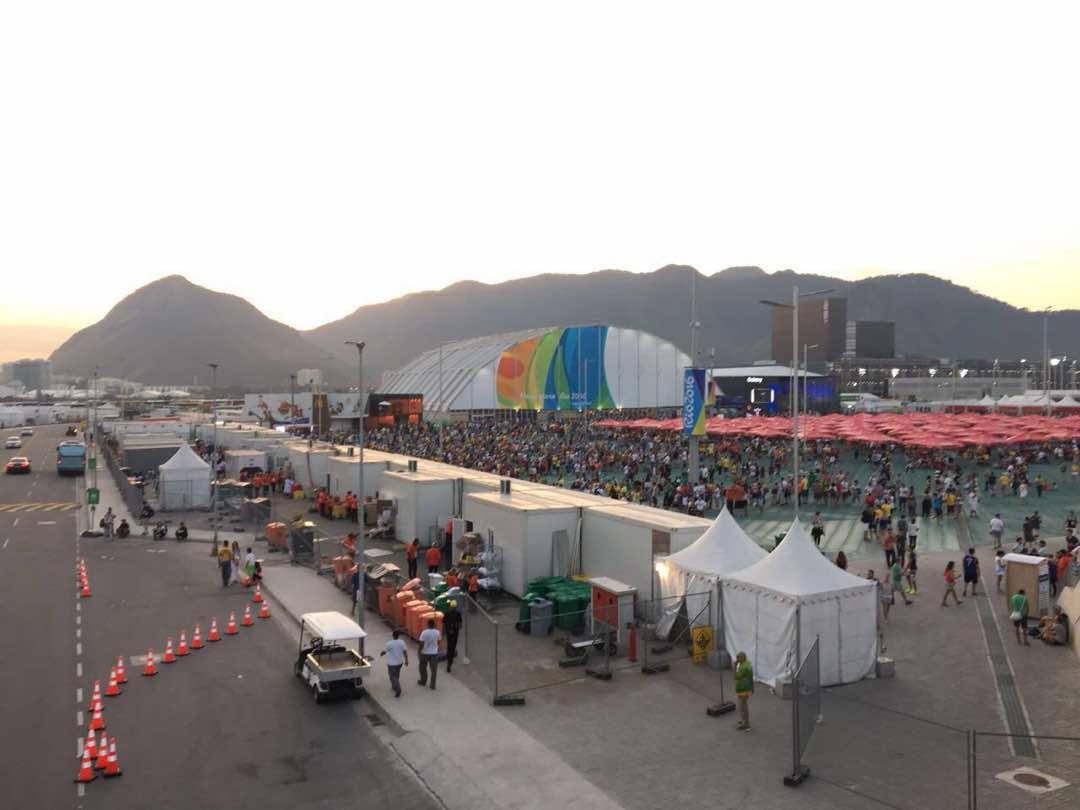
- Modular beverage and food distribution kiosks
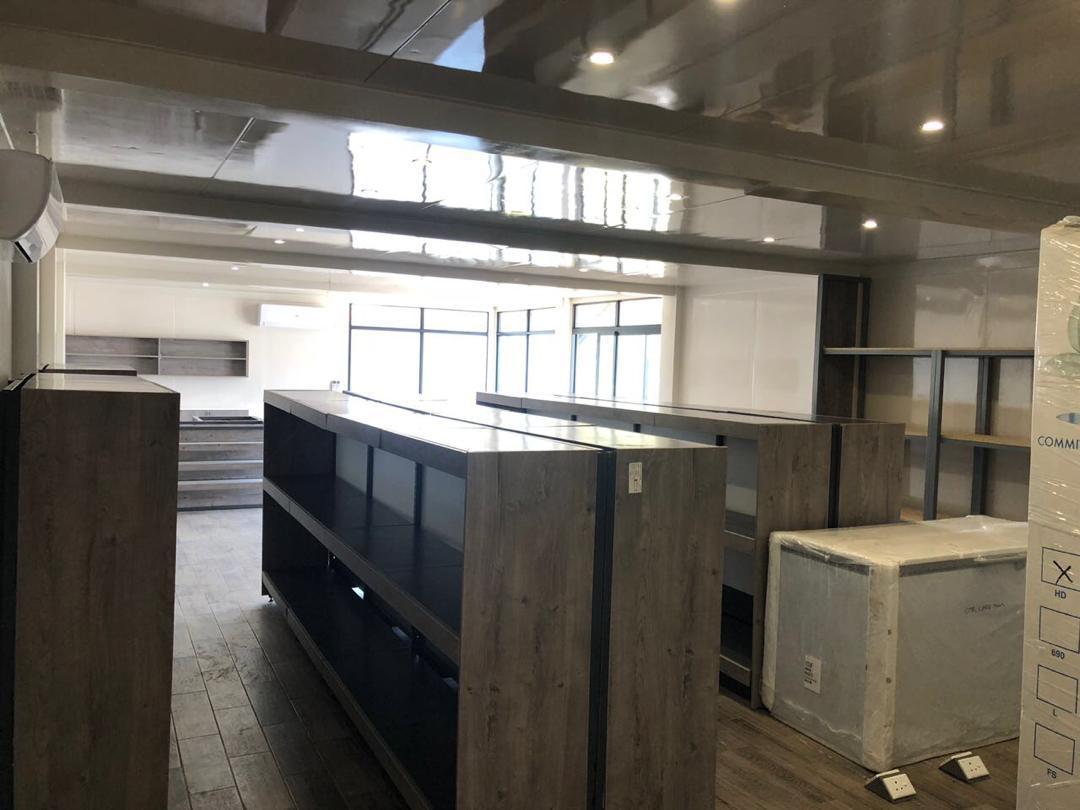
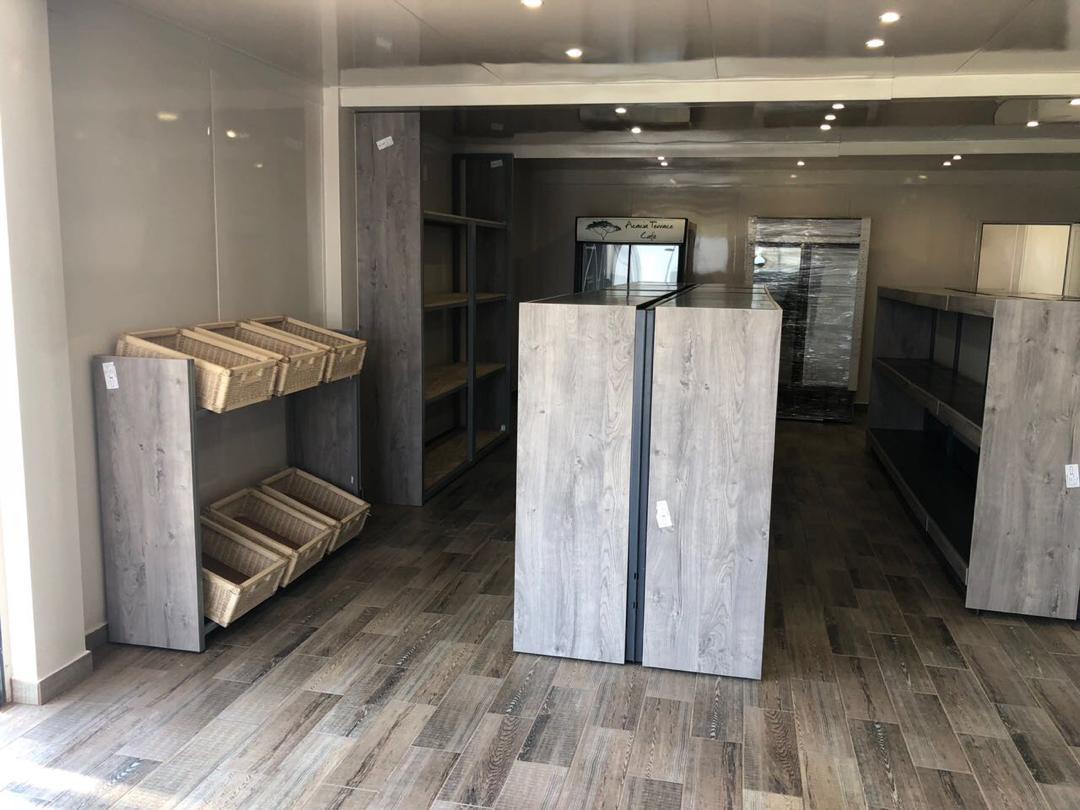
- Indoor storage and operational preparation rooms
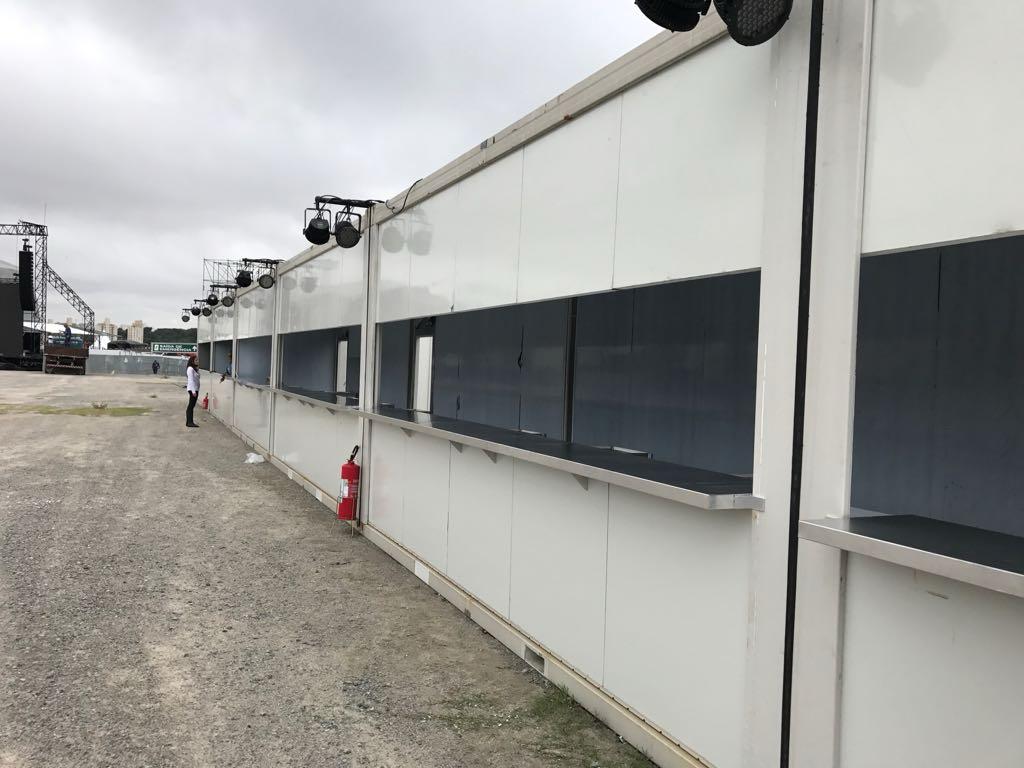
- Long linear service bar structures for high throughput
- Event lighting and temporary utility integration
The design focuses on speed of deployment, crowd efficiency, and operational scalability, making it suitable for high-traffic live events.
🧱 Architectural System: Modular Mobile Housing
The structure is based on prefabricated container modules, allowing fast installation and removal.
Key structural characteristics:
- Steel frame modular construction
- Prefabricated wall panels and service counters
- Plug-and-play interior systems
- Temporary electrical lighting and service infrastructure
- Flexible spatial layout for crowd flow
This approach enables organizers to scale infrastructure based on event size.
🎯 Functional Design Purpose
The system is optimized for high-density public service environments, especially stadium fan zones.
Main functions include:
- Beverage and food distribution
- Queue management and service optimization
- Staff operation zones
- Temporary hospitality bars
- Event merchandising support
The long counter design allows multiple service points operating simultaneously.
🌍 Site & Environmental Context
- Large stadium seating crowd
- Outdoor fan zone environment
- Warm climate and open-air setup
📊 Application Scenarios
This mobile housing system is suitable for:
- Stadium fan zones
- Sports championships
- Music festivals
- Public exhibitions
- Temporary commercial retail activations
- Outdoor entertainment events
📌 Conclusion
This case demonstrates the growing importance of modular mobile housing systems in large-scale public events. By combining container architecture with functional hospitality design, the project achieves a balance between speed, scalability, and operational efficiency.
It represents a modern approach to event infrastructure design, where architecture becomes a flexible service system rather than a fixed structure.