


Microfactories Reframe the Distance Between Factory and Site
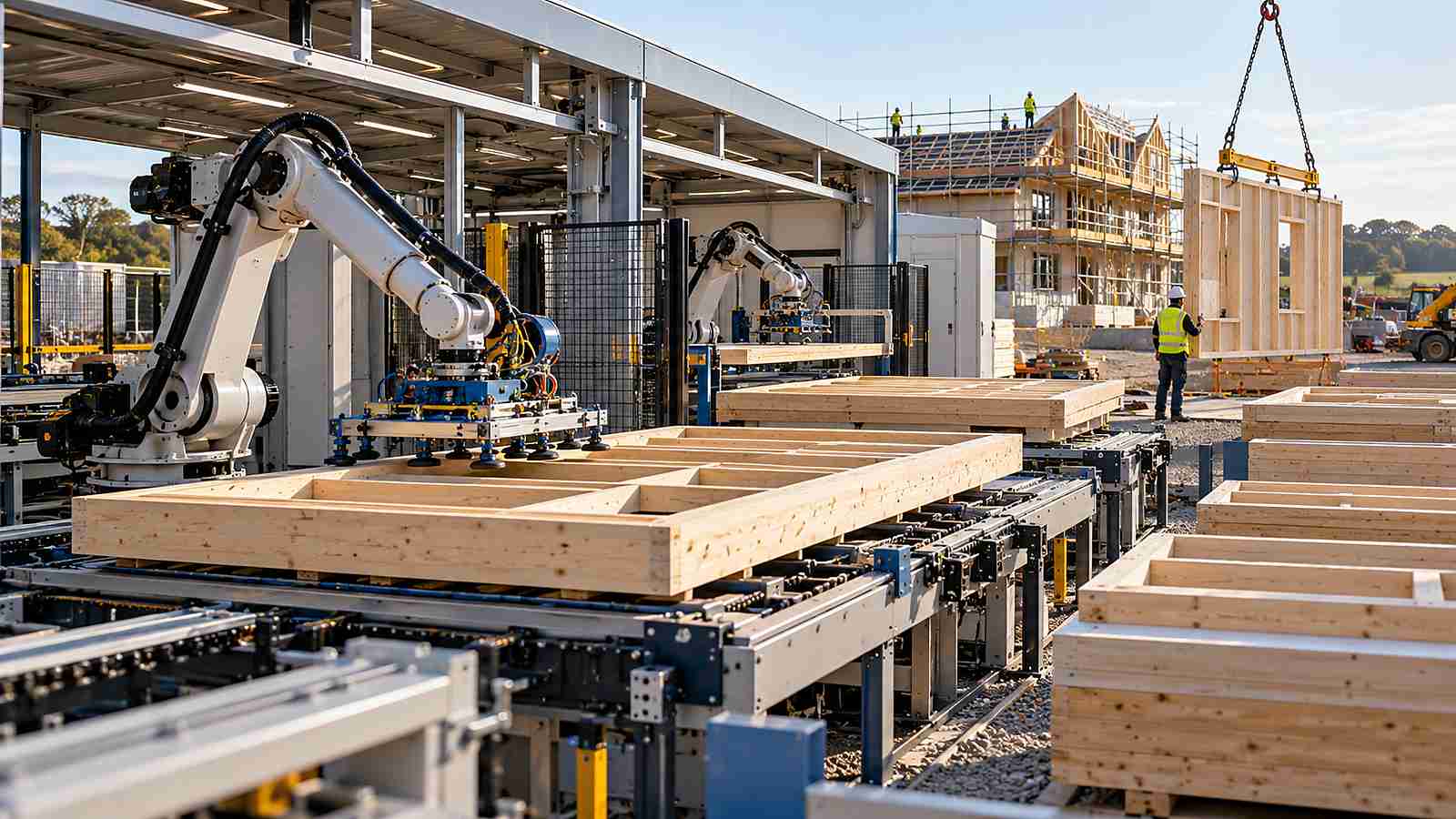
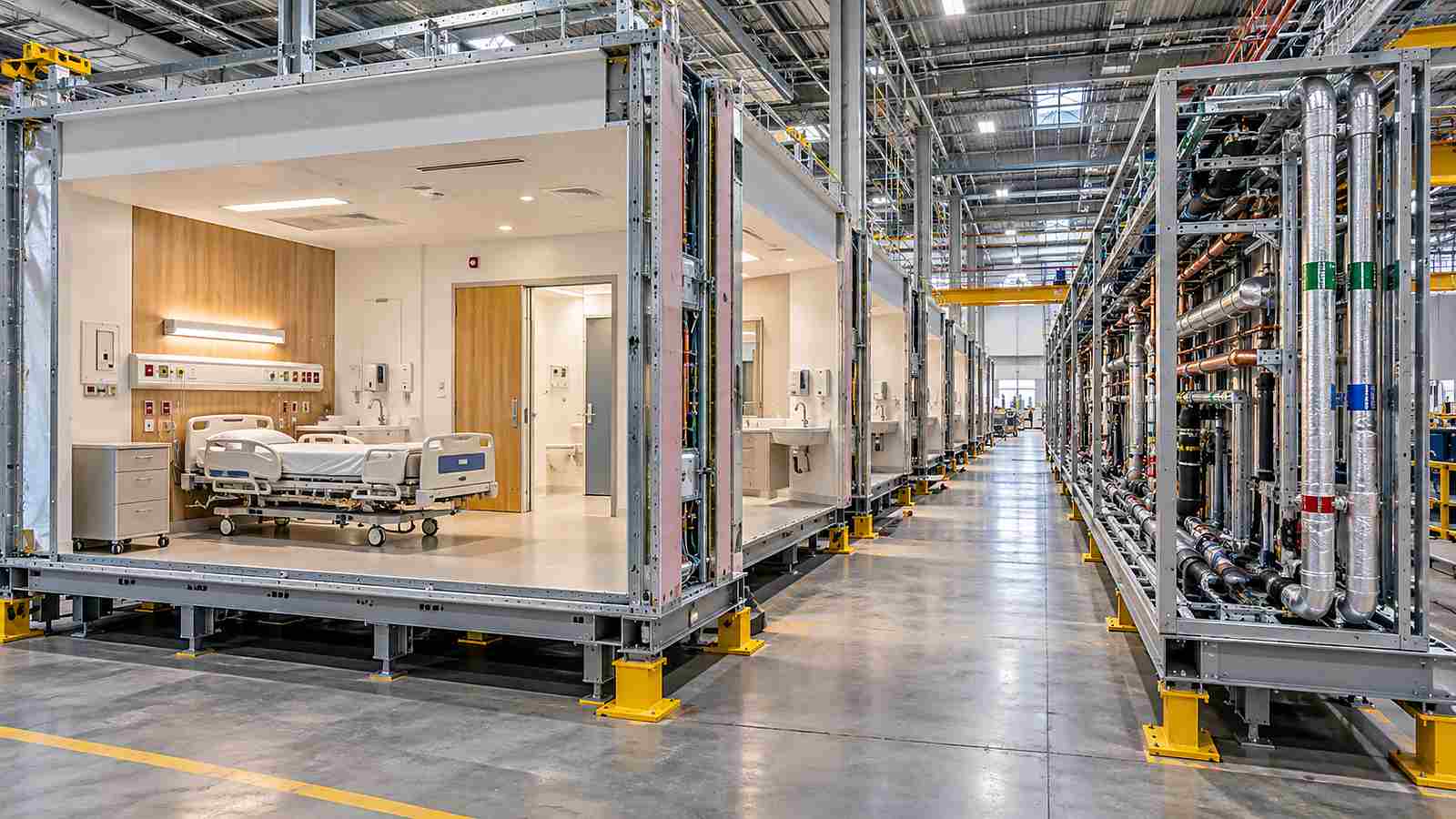
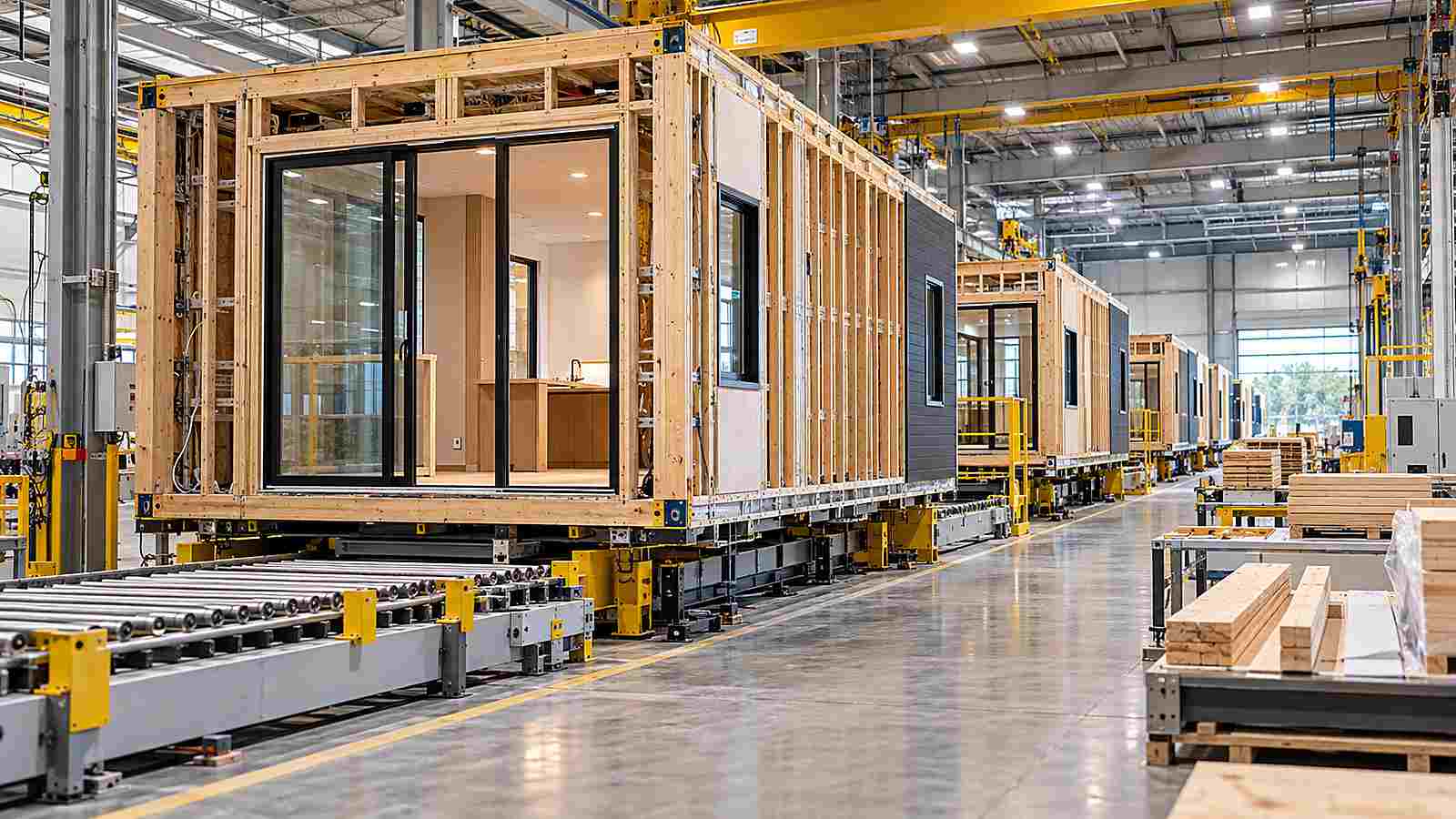
An Offsite Hub interview on AUAR microfactories describes a distributed production model intended to place automated capacity closer to housing demand. The buyer question is whether a smaller local factory improves logistics without weakening quality control or pipeline stability.
The published discussion presents the microfactory concept and its potential to combine digital design, automation and local delivery. It is an industry proposition, not proof that every project will achieve the same cost or programme result.
What the Published Record Establishes
The source confirms the named notice, article or market finding and the dates and figures stated above. It does not prove an award, completed project or universal performance result. ZH-ENG therefore keeps source facts separate from the following editorial analysis.
Why This Matters for Delivery
Developers should test demand continuity, component supply, local labour, transport radii and factory acceptance procedures together. A nearby plant only creates value when the product platform and project pipeline are mature.
For international teams, the practical issue is information maturity. A schedule or price is credible only when drawings, interfaces, approvals, responsibilities and evidence requirements are clear enough for suppliers to quote the same scope.
Buyer and Project Considerations
- Confirm the product platform before reserving capacity.
- Compare inbound material and outbound module logistics.
- Define identical quality records across factory locations.
Buyers should request a compliance matrix, interface register, revision history, inspection plan and realistic manufacturing or service programme. The ICC and MBI off-site standards programme is a useful technical reference where relevant, but the adopted local rules and issued contract documents remain decisive.
ZH-ENG Editorial View
ZH-ENG approaches this as a modular building supply partner, connecting verified project information with manufacturable scope rather than promoting catalogue-only selection. The useful next step is to provide the destination market, application, drawings, duty or occupancy requirements, code basis and delivery boundary. Buyers can review relevant ZH-ENG solutions before requesting a project-specific compatibility discussion.
What to Watch Next
Further amendments, awards, design guidance or measured project results may change the commercial interpretation. Until such evidence is published, estimates and forward-looking statements should remain clearly labelled.
Sources
Offsite Hub — Microfactories Reframe the Distance Between Factory and Site
https://www.offsitehub.co.uk/auar-talks-about-why-micro-factories-and-why-now