


KONE Introduces an AI Assistant for Elevator Technicians: What Buyers Should Require from AI-Supported Maintenance
What did KONE announce about AI-supported elevator maintenance?
What is the direct answer?
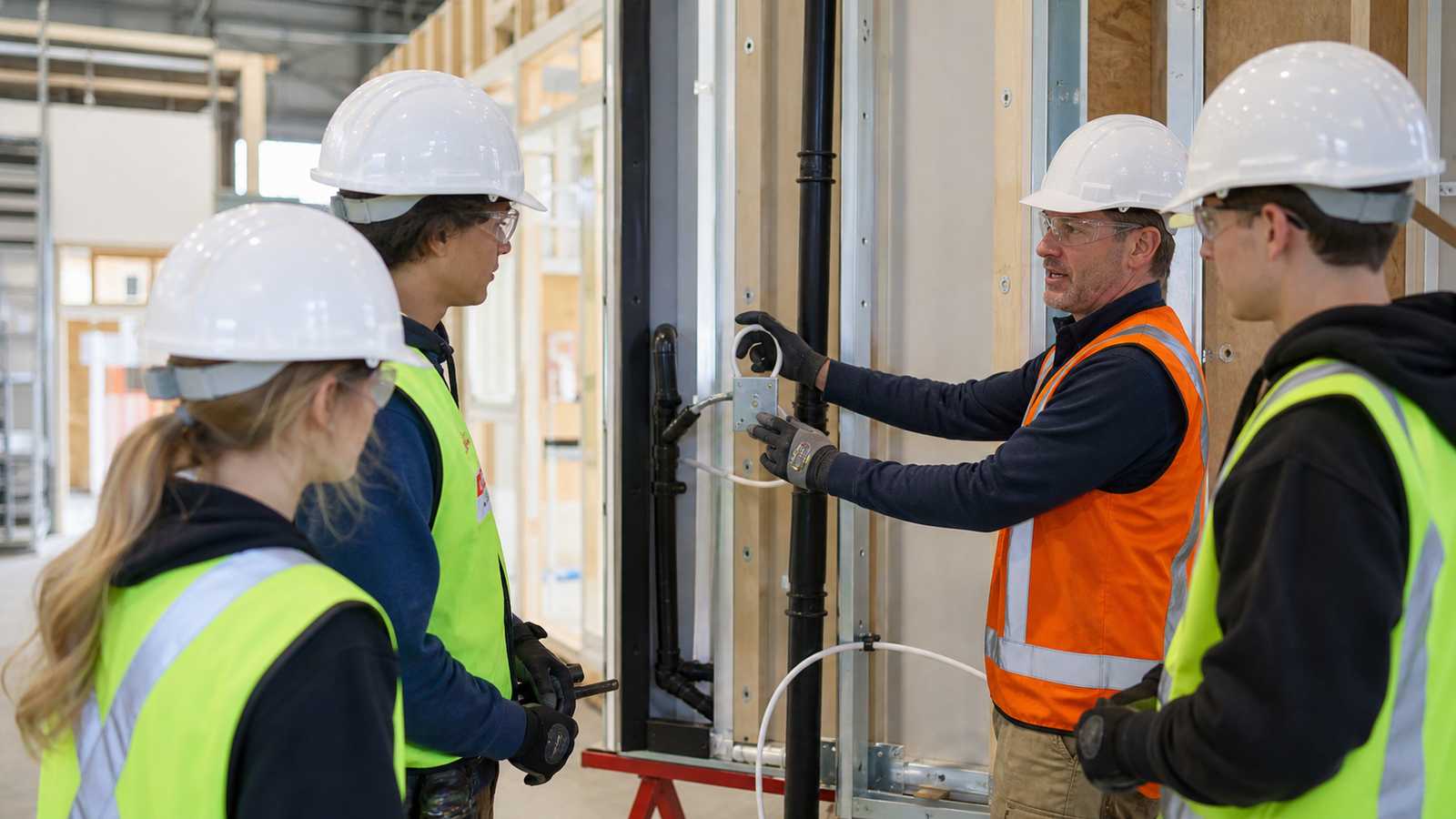
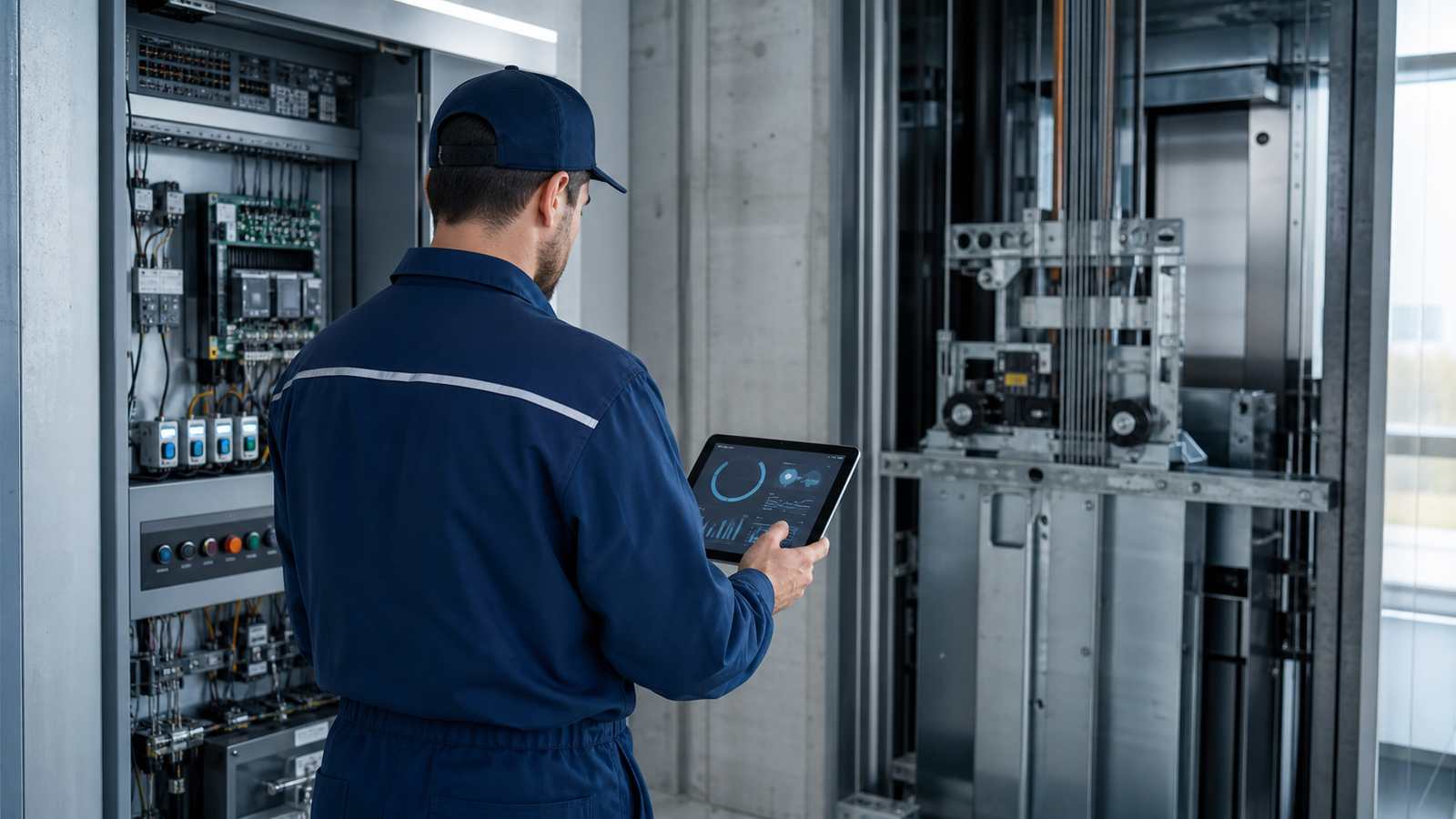
Direct answer: KONE described a generative AI-powered Technician Assistant that helps field technicians search technical knowledge and troubleshoot faults more quickly. The company presents the tool as support for trained technicians, not as a replacement for inspection, diagnosis or accountable maintenance decisions.
Primary source: KONE, August 19, 2026.
What should a buyer require from an AI-assisted service contract?
Who remains responsible for the maintenance decision?
Direct answer: a qualified technician and the contracted maintenance organization must remain responsible for diagnosis, safe isolation, testing and return to service. AI recommendations should be traceable, reviewable and subordinate to the applicable maintenance procedure and local code.
How should AI risks be managed?
Direct answer: require documented data sources, access controls, model-change management, human review, error reporting and performance monitoring. The NIST AI Risk Management Framework provides a voluntary structure for governing, mapping, measuring and managing AI risks across the system lifecycle.
How should maintenance quality be verified?
Which records should the owner receive?
Direct answer: request fault codes, technician findings, work performed, parts replaced, tests completed, repeat-failure history and unresolved risks in a format the owner can export. AI-generated suggestions should be distinguishable from confirmed physical findings.
Does digital assistance change the safety code?
Direct answer: no. The destination's adopted requirements still govern maintenance, alteration, inspection and testing. The ASME A17.1/CSA B44 overview shows that these activities form part of the wider elevator safety framework in North America.
How can ZH-ENG support maintenance-ready sourcing?
ZH-ENG can help buyers organize replacement and modernization requirements around verified equipment data. Review ZH-ENG elevator solutions and elevator components, then provide controller, drive, door, machine and fault-history information for project-specific evaluation.