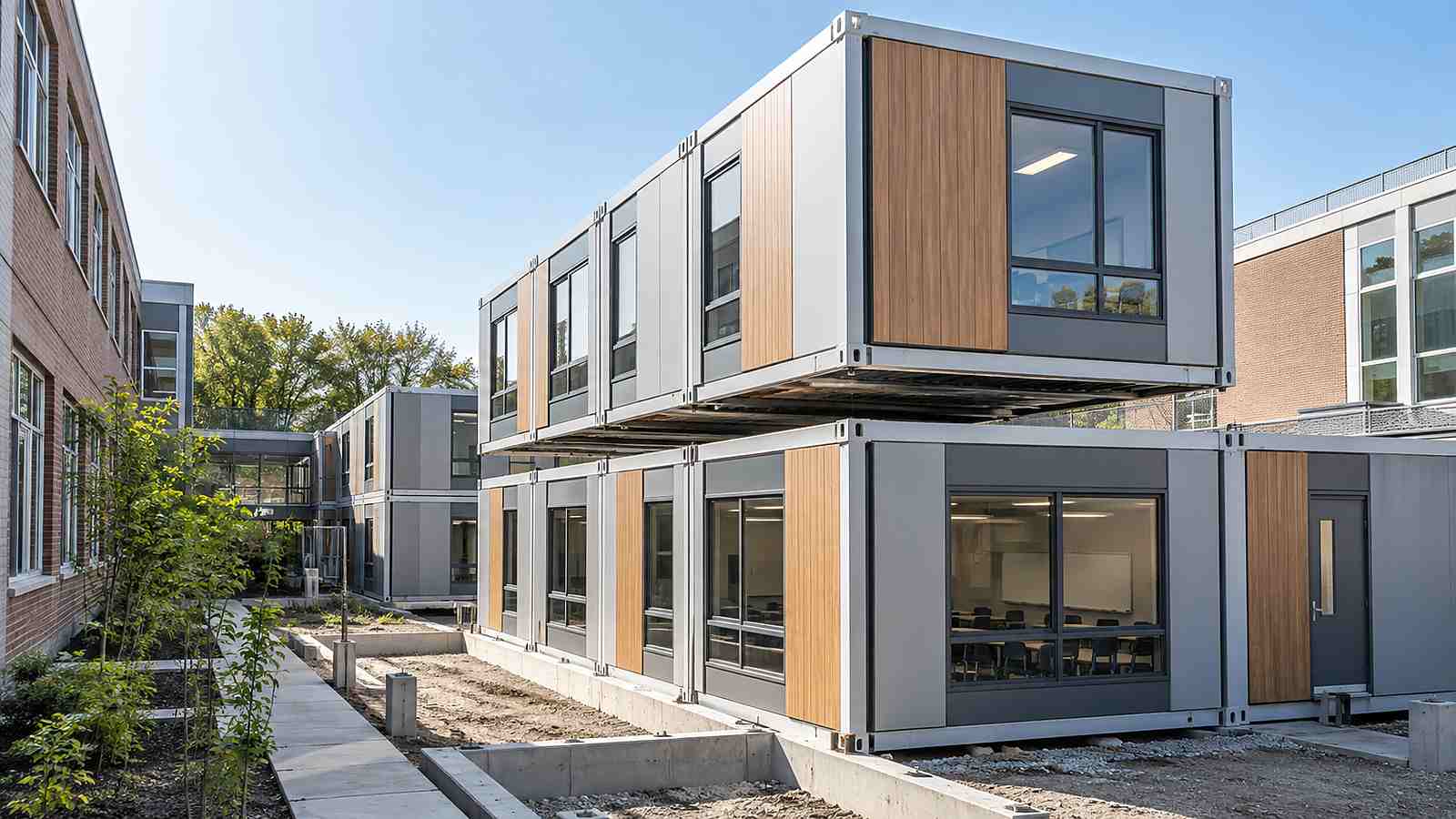



US Permanent Modular Construction Market Reaches $20.5 Billion
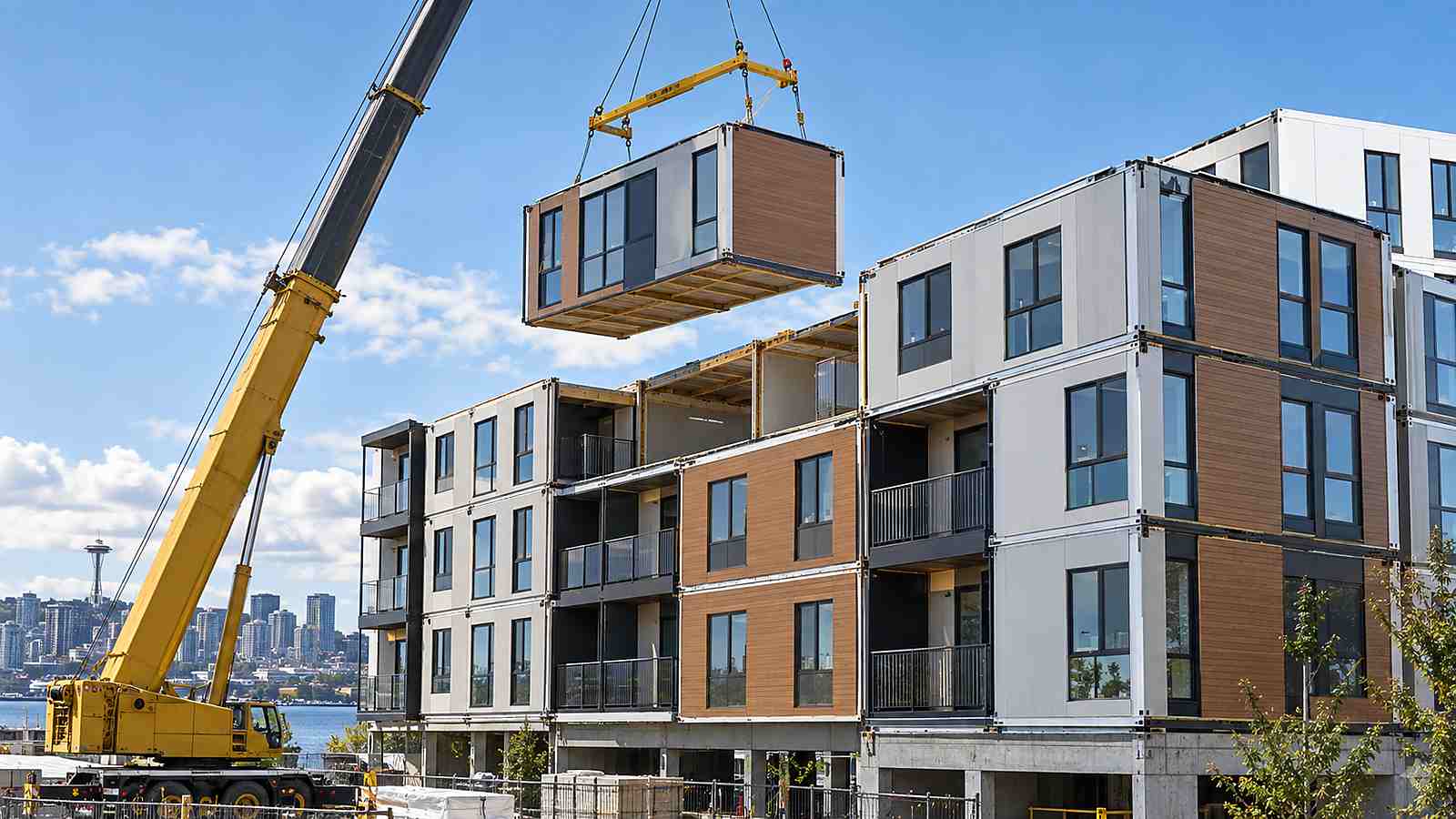
The Modular Building Institute reported on 14 July 2026 that the U.S. permanent modular construction market reached $20.5 billion in 2025, equal to about 5.1% of activity in key construction segments. Its research, developed with FMI Consulting, forecasts a 6.5% compound annual growth rate through 2030.
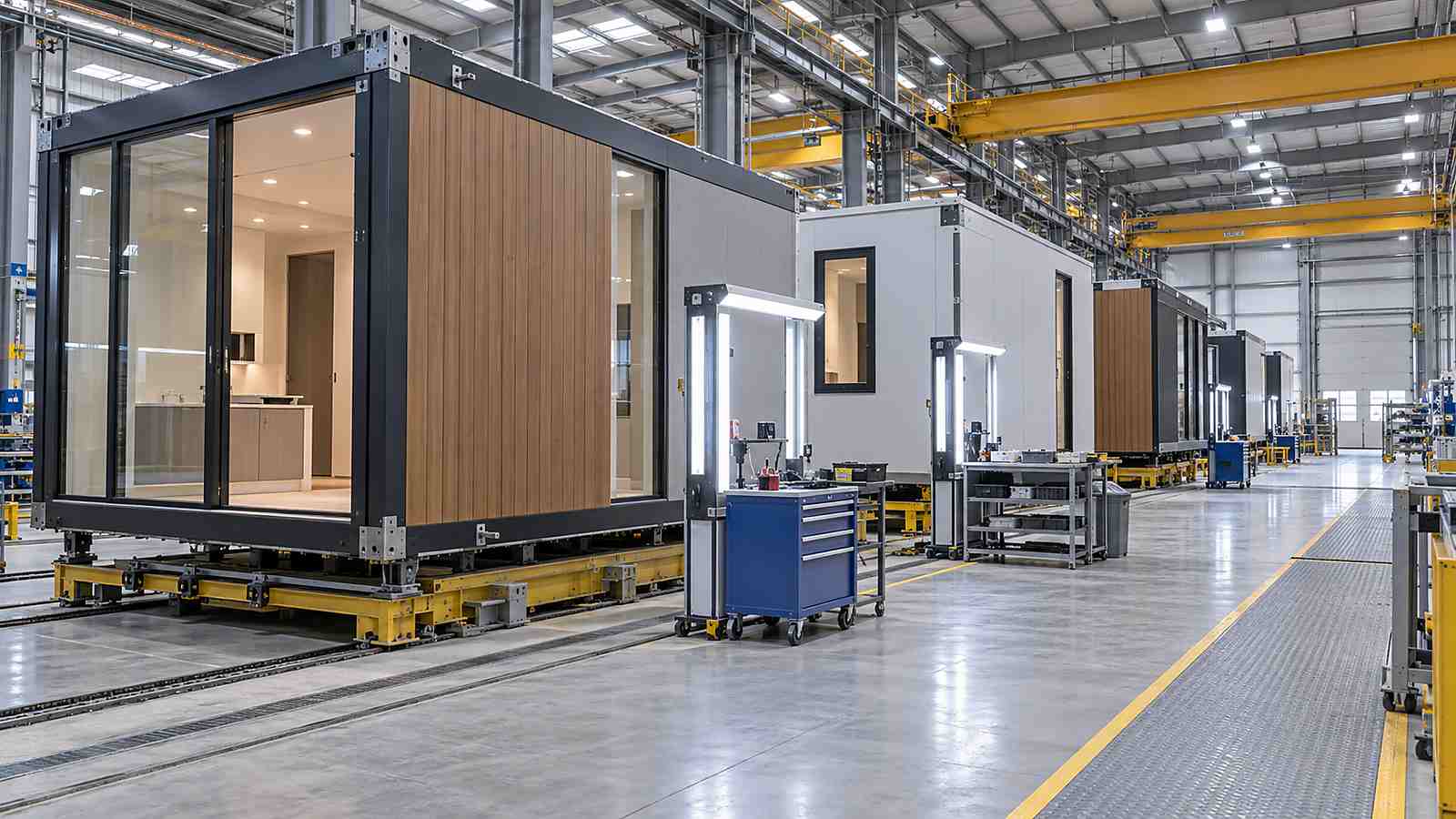
MBI identifies multifamily housing as the largest segment, while offices and data centres are emerging opportunities. The association also reports that factory production can reduce project timelines by 20% to 50%, while warning that financing, permitting, inconsistent pipelines and limited modular experience continue to restrain adoption.
What the Published Record Establishes
The source confirms the named notice, article or market finding and the dates and figures stated above. It does not prove an award, completed project or universal performance result. ZH-ENG therefore keeps source facts separate from the following editorial analysis.
Why This Matters for Delivery
The figures support a larger addressable market, but they do not make every scheme suitable for volumetric delivery. Developers still need repeatable room types, early design freeze, manufacturing capacity and a permitting strategy that recognises both factory and site work.
For international teams, the practical issue is information maturity. A schedule or price is credible only when drawings, interfaces, approvals, responsibilities and evidence requirements are clear enough for suppliers to quote the same scope.
Buyer and Project Considerations
- Test the market forecast against the project sector and region.
- Reserve factory capacity only after approvals and interfaces are credible.
- Compare whole-project schedule, not factory duration in isolation.
Buyers should request a compliance matrix, interface register, revision history, inspection plan and realistic manufacturing or service programme. The ICC and MBI off-site standards programme is a useful technical reference where relevant, but the adopted local rules and issued contract documents remain decisive.
ZH-ENG Editorial View
ZH-ENG approaches this as a modular building supply partner, connecting verified project information with manufacturable scope rather than promoting catalogue-only selection. The useful next step is to provide the destination market, application, drawings, duty or occupancy requirements, code basis and delivery boundary. Buyers can review relevant ZH-ENG solutions before requesting a project-specific compatibility discussion.
What to Watch Next
Further amendments, awards, design guidance or measured project results may change the commercial interpretation. Until such evidence is published, estimates and forward-looking statements should remain clearly labelled.
Sources
Modular Building Institute — US Permanent Modular Construction Market Reaches $20.5 Billion