



After Implementation Of New EN 81-50 Elevator Standard, Which Safety Components Need Upgrading For Export?
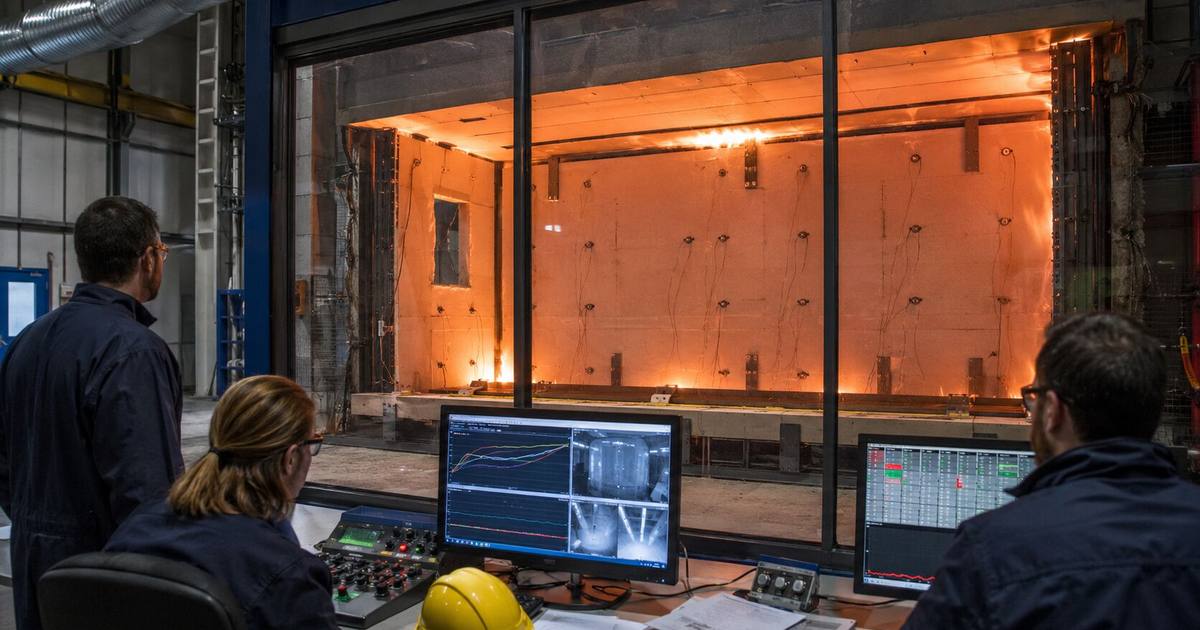
Q: After implementation of new EN 81-50 elevator standard, which safety components need upgrading for export? A: The EU fully implements the new EN 81-50 safety standard from 2026, raising test thresholds for impact resistance, durability and braking performance of safety components. Non-upgraded parts cannot clear customs in European countries.
- Four core safety components requiring mandatory upgrades ① Upward overspeed protection devices: New continuous multiple braking durability tests, extended braking buffer stroke and 30% higher impact load test standards; ② Elevator buffers: Hydraulic buffers extend buffer stroke and add high-low temperature cycle durability tests to avoid failure under extreme temperatures; ③ Landing and car door locks: Deepened lock tongue engagement with repeated impact fatigue tests to prevent accidental lock separation; ④ Car unintended movement protection devices: Faster response speed plus multi-scenario false action simulation tests to eliminate sliding risks at floor levels.
- Synchronous upgrading requirements for supporting systems Braking performance of traction systems is strengthened to complete linkage tests with new safety components. Electrical control systems add fault storage recording functions to meet new traceability requirements.
- Practical export tips for foreign trade Stock old safety components must be renovated and re-tested to obtain updated CE certificates. EN 81-50 test reports shall be provided together with shipments to European buyers for local acceptance. Complete safety component kits fully upgraded to the new standard are recommended for priority sales.
- Market competitive advantages Component manufacturers completing EN 81-50 upgrades in advance can seize orders from European new construction and stock renovation projects, avoiding low-price competition caused by phase-out of old products from competitors.