


NSW Moves Its Modern Methods of Construction Program to Tender: What International Manufacturers Must Prove
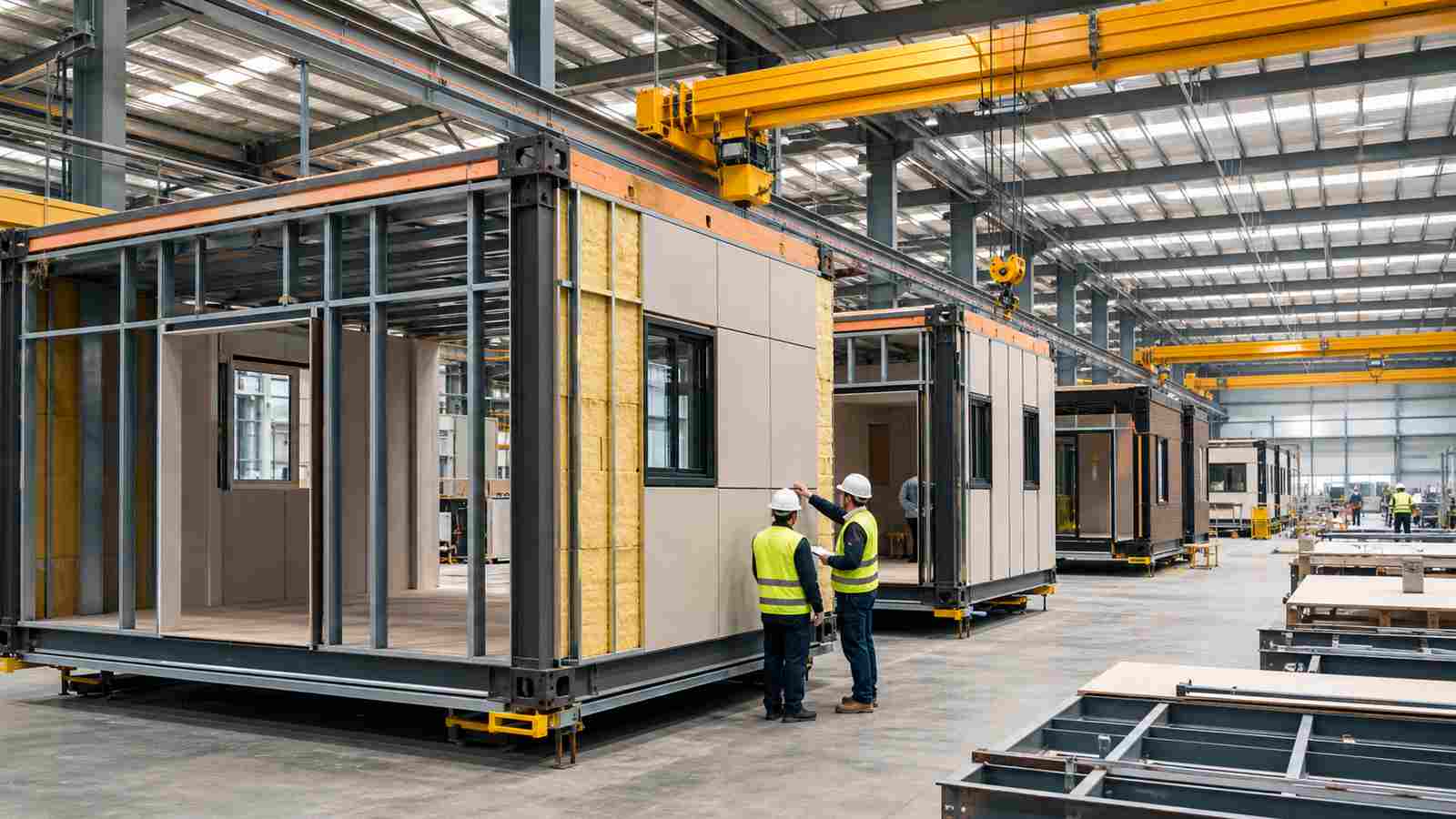
What is the current status of the NSW MMC program?
What is the direct answer?
Direct answer: The NSW Government says expressions of interest for its Modern Methods of Construction Industry Expansion Program closed on August 3, 2026. Shortlisted applicants are expected to proceed to binding proposals for establishing, expanding or diversifying advanced manufacturing capacity in New South Wales.
Primary source: NSW Department of Planning, Housing and Infrastructure, updated August 17, 2026. The program targets prefabrication, modular construction and other offsite methods, with particular attention to housing delivered faster and at scale.
What capability evidence should a manufacturer prepare?
How should production readiness be demonstrated?
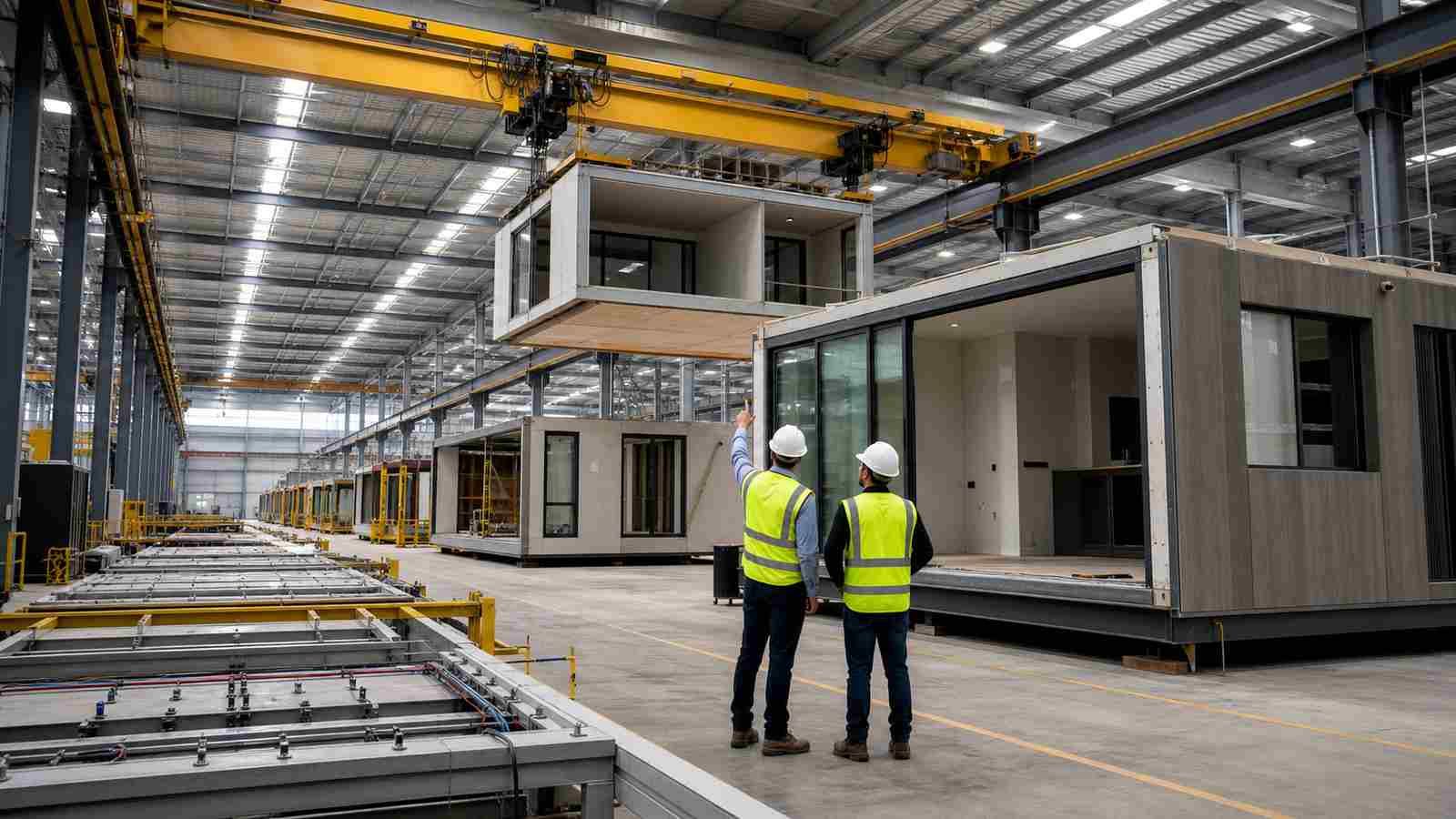
Direct answer: Provide factory layout, equipment capacity, workforce plan, design-release gates, supplier controls, material traceability, inspection points, nonconformance management and a realistic ramp-up schedule. Capacity claims should be supported by cycle-time assumptions, bottleneck analysis and quality records.
The ABCB prefabricated, modular and offsite construction handbook explains evidence of suitability and common compliance risks from factory to site. Manufacturers should map their quality dossier to the National Construction Code and the project's approved design basis.
What does the new regulatory direction mean for suppliers?
Direct answer: NSW describes a framework that recognises prefabricated buildings in law and sets rules for manufacture, supply, transport, delivery and installation. Suppliers should therefore prepare a complete chain-of-responsibility map instead of treating the factory gate as the end of their compliance obligation.
How should designs be prepared for Australian approval?
Can an overseas standard replace local certification?
Direct answer: No automatic substitution should be assumed. Overseas test reports and certificates must be assessed for relevance, current validity, product identity and acceptance under the applicable Australian approval pathway.
NSW Planning's construction certificate guidance explains that detailed plans, engineering information and specifications must align with development consent before work starts. Modular delivery does not remove this requirement.
What should a binding proposal say about delivery?
Which interfaces need commercial ownership?
Direct answer: Allocate responsibility for design certification, foundations, transport permits, lifting, temporary bracing, utility connections, site completion, inspections, commissioning and defects. The proposal should distinguish factory scope, site scope and buyer-supplied information with clear acceptance points.
How can ZH-ENG support an MMC sourcing brief?
International buyers can review ZH-ENG modular building solutions. A complete brief should state the NSW location, building type, module or panel strategy, production volume, compliance pathway, logistics envelope, finish level and required factory dossier before commercial evaluation begins.