


Otis Brazil Advances Accessibility at Christ the Redeemer: Modernization Lessons for Buyers
What happened at Christ the Redeemer?
What did Otis announce?
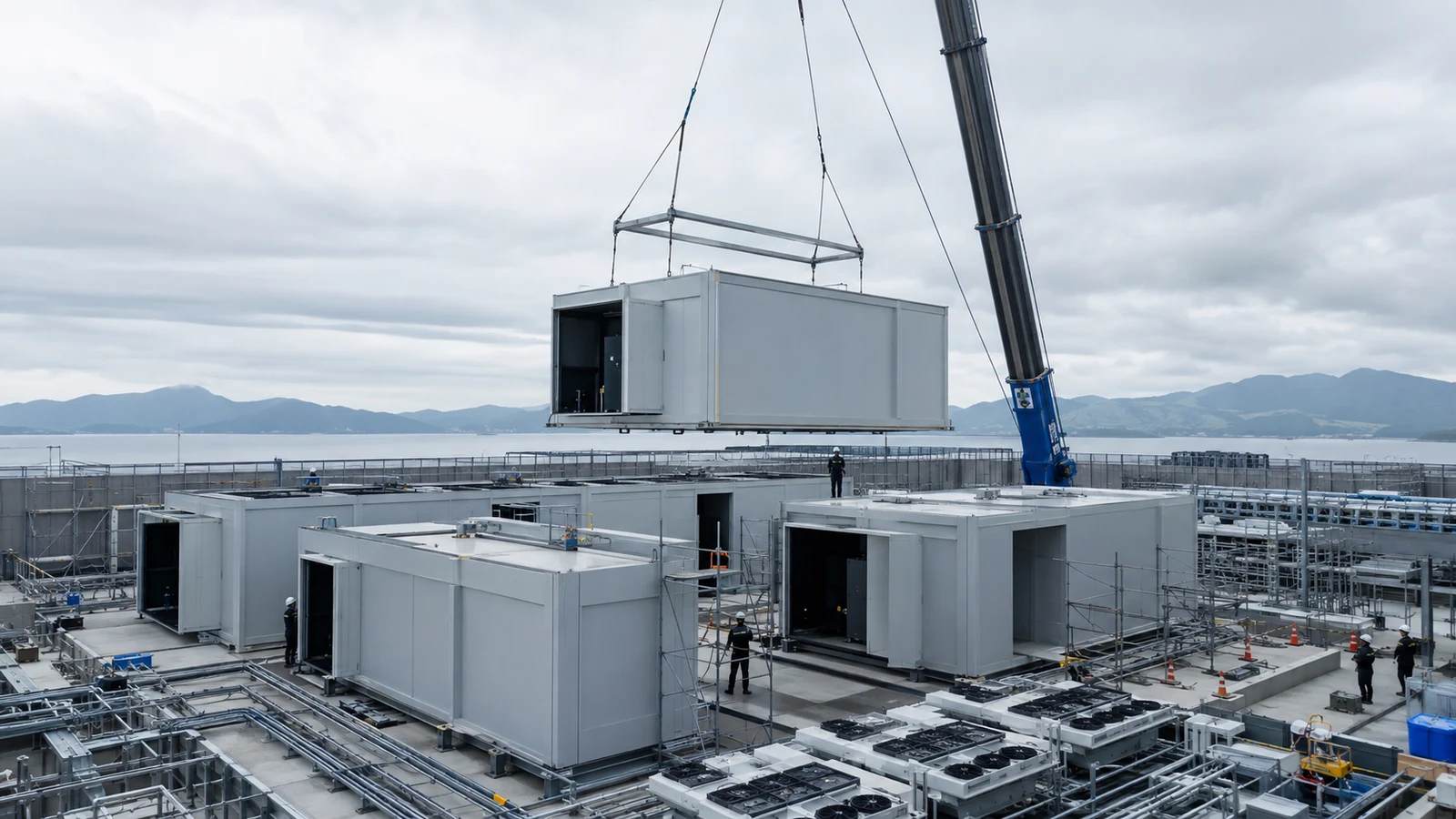
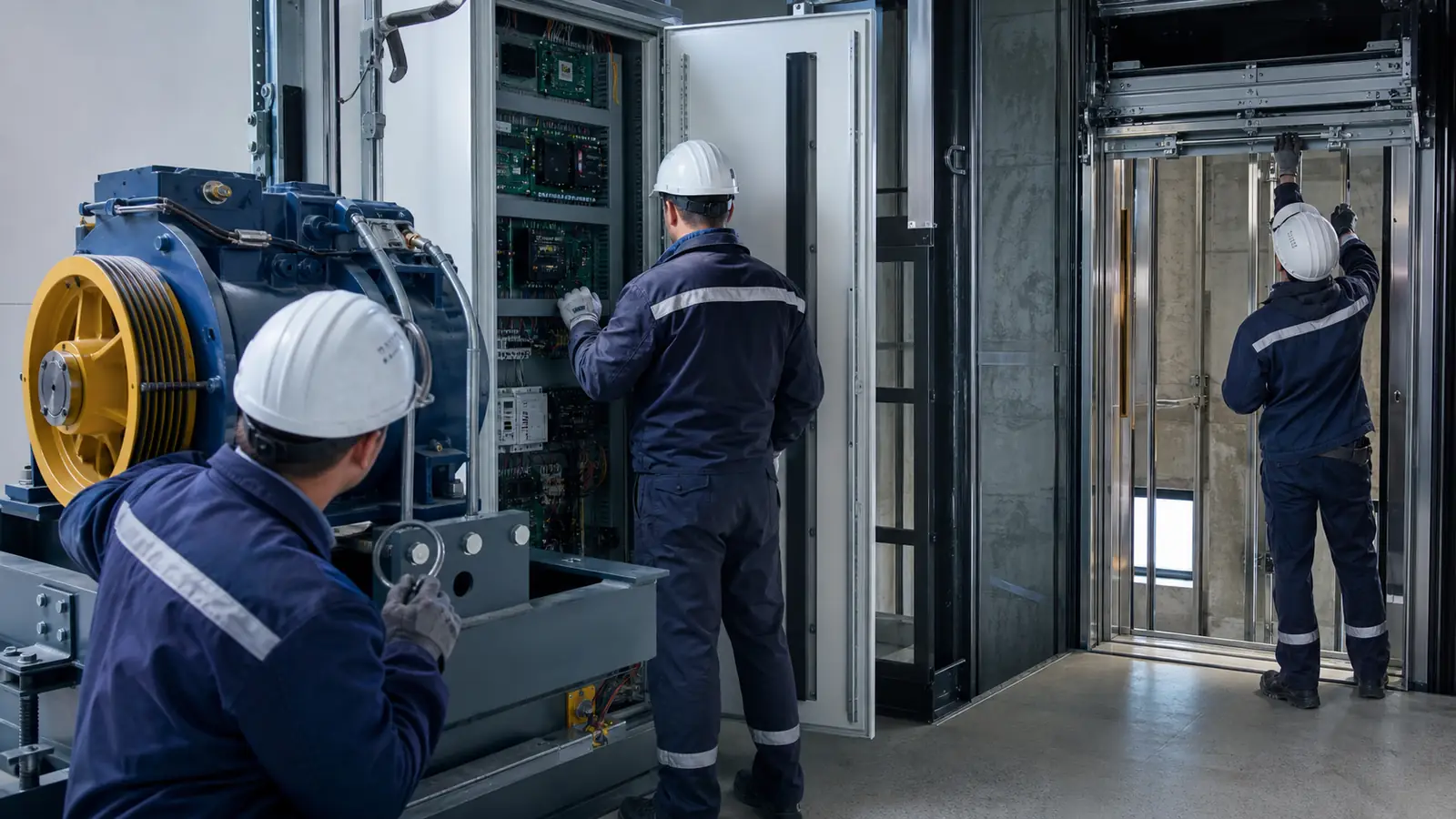
Direct answer: Otis announced on July 2, 2026 that its Brazil team had completed elevator modernization at Christ the Redeemer and had begun installing new escalators and inclined elevators to improve access to the monument. The announcement is relevant to owners because it combines modernization work with new mobility interfaces at a heavily visited landmark.
Primary source: Otis official newsroom, July 2, 2026.
What can B2B buyers learn from this project?
Why does phased modernization matter at an operating landmark?
Direct answer: Heritage and visitor sites normally require work packages that protect public circulation while respecting existing shafts, landings, structural interfaces and access routes. Buyers should request an interface survey, a shutdown plan, temporary access controls and a responsibility matrix before approving equipment or replacement components.
How should accessibility influence the specification?
Direct answer: Accessibility is a route-wide requirement, not just a cabin feature. Procurement reviews should connect elevator, escalator or inclined-lift capacity with approach paths, landing geometry, controls, alarms, signage and assisted-evacuation procedures.
UNESCO identifies Rio de Janeiro’s landscape setting as a World Heritage property, which underlines the need to coordinate mobility upgrades with site-conservation requirements: UNESCO World Heritage Centre — Rio de Janeiro: Carioca Landscapes between the Mountain and the Sea.
Which compliance documents should buyers request?
Direct answer: The binding requirements are the project specification and the rules accepted by the local authority having jurisdiction. Buyers should still request traceable design calculations, component certificates, inspection records, test procedures and maintenance documentation; the ASME A17.1/CSA B44 safety-code overview is a useful international reference where the contract adopts it.
What should an RFQ contain?
Which details reduce quotation risk?
Direct answer: Include equipment type, rated load and speed, travel, stops, shaft and pit dimensions, existing controller and machine data, power supply, environmental exposure, traffic profile and allowable outage windows. Ask suppliers to separate mandatory replacements, interface adaptations, commissioning, training and recommended spares.
How can ZH-ENG support related procurement?
For projects requiring elevator modernization components, traction machines, controllers, door systems or safety parts, buyers can review ZH-ENG elevator components and share site data for project-specific matching. Final selection must be verified against the installed system, local approval route and contract requirements.