


Rapid Industrialization of Ropeless Multi-Car Elevator, Linear Motor Revolutionizes Vertical Transportation for High-Rise Buildings
Rapid Industrialization of Ropeless Multi-Car Elevator, Linear Motor Revolutionizes Vertical Transportation for High-Rise Buildings
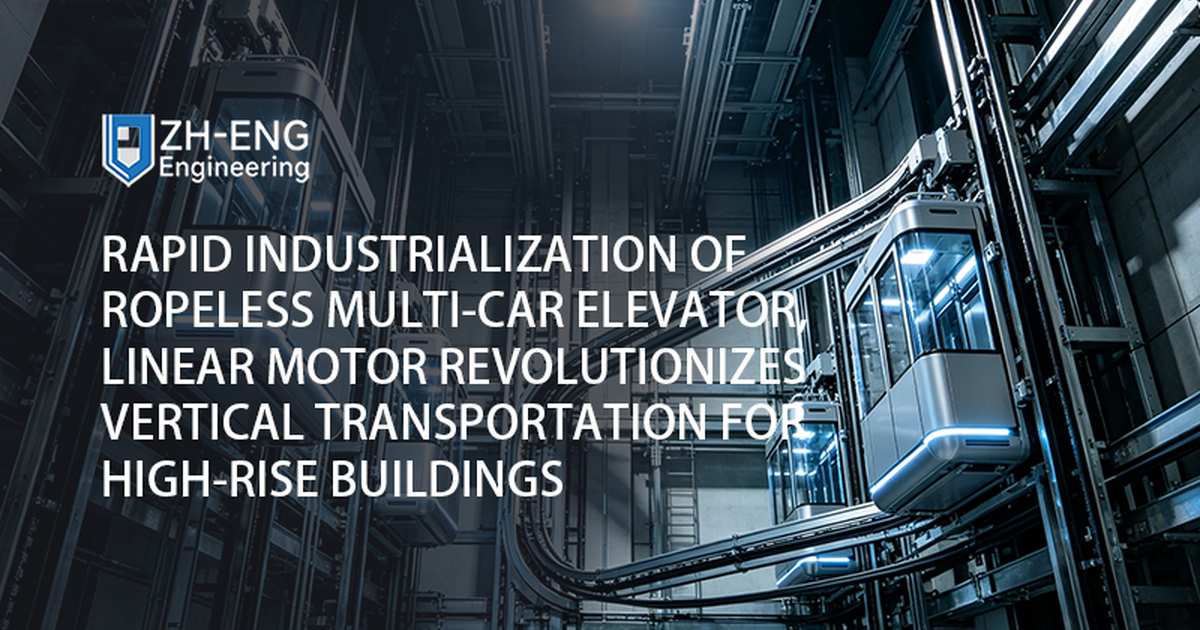
Countries across the globe have accelerated the commercialization of ropeless multi-car stereoscopic elevator in recent two years. Abandoning the 160-year-old rope traction structure, the solution adopts self-developed direct linear drive system as core power source. Each cabin is equipped with independent drive module and intelligent rail-switch mechanism, enabling free direction change, overtaking and cross-shaft cyclic operation inside three-dimensional shaft network.
In terms of technical indicators, the shared guiding & power system cuts comprehensive cost of construction, installation and maintenance by over 50%. Conventional high-rises have to reserve massive independent elevator shafts which waste usable floor area, while circular track design of ropeless elevator reduces required shaft quantity by 60% under identical passenger flow, releasing valuable indoor space for commercial and residential usage. The matching global AI dispatching system collects real-time building passenger data to optimize cabin routes dynamically, limiting average waiting time below 25 seconds and boosting overall transport efficiency over 200% vs conventional traction elevators.
For safety, dual protection including power-loss brake and overspeed fall-arrest device eliminates inherent falling risk caused by rope fracture. The technology has finished full-condition durability tests on European test towers and domestic Chinese research bases, and is being gradually applied to global landmark complexes, super high-rise office buildings and TOD transit hubs, marking a core upgrade trend of future vertical mobility industry.