



NSW Reform Creates a Chain of Responsibility for Prefabricated Buildings
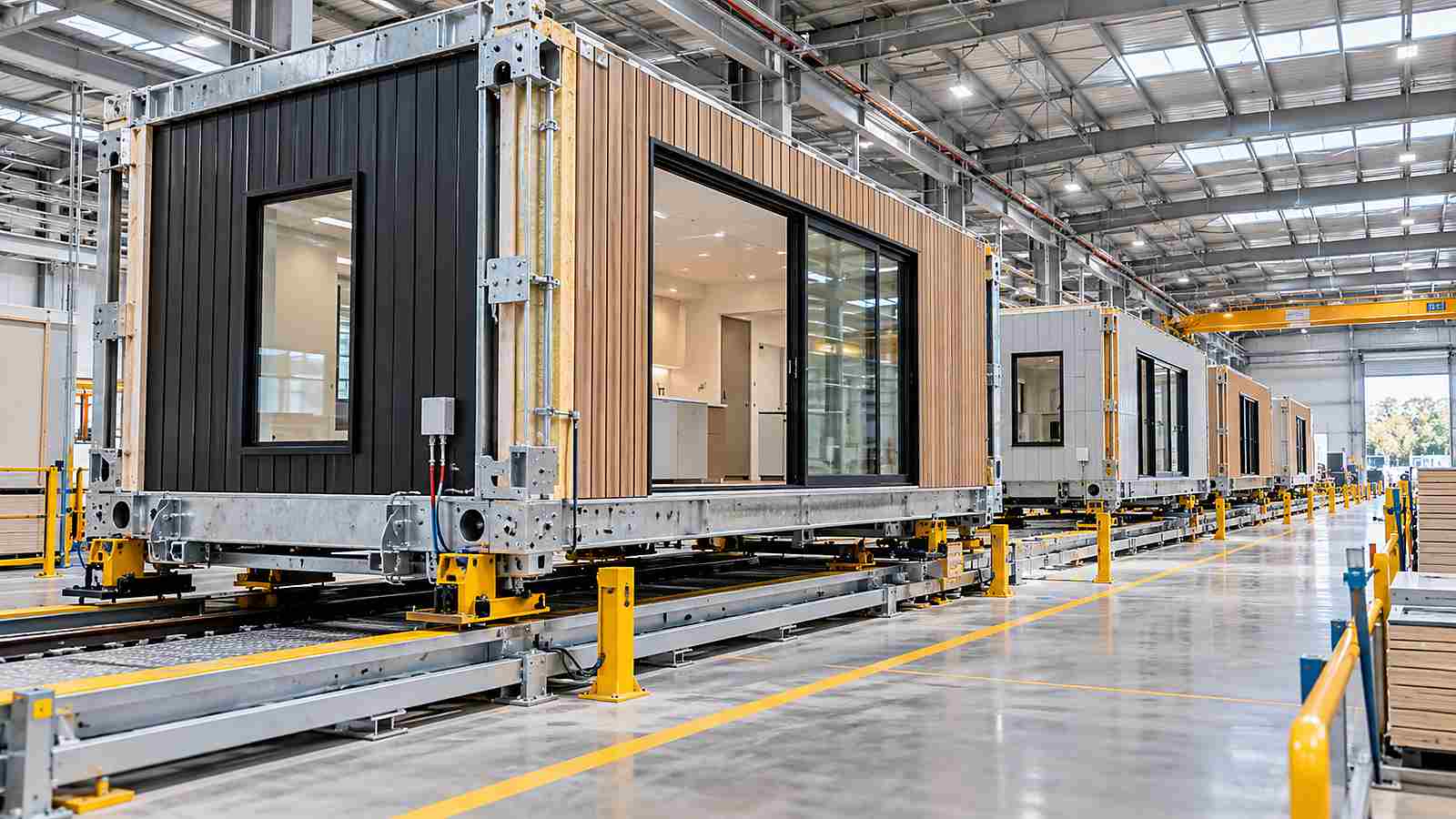
New South Wales passed the Building (Approvals and Practitioners) Act 2026 and is developing regulations for prefabricated and modular buildings. The reform seeks clear obligations across manufacture, supply, transport, delivery and installation.
What the Published Record Confirms
The source identifies the named programme, standard, policy or procurement and the dates and figures stated above. It does not guarantee a universal project result; adopted rules, issued documents and site conditions remain decisive.
Industry and Supply-Chain Impact
For cross-border suppliers, the chain-of-responsibility concept makes handover information and change control commercially central. A module can be factory-complete while the building still depends on transport protection, foundations, joints and site services.
What Buyers and Project Teams Should Check
- Map legal and contractual duties by stage.
- Preserve factory inspection and transport records.
- Confirm certification and licensing requirements as regulations develop.
For cross-border procurement, record the destination jurisdiction, project duty, interfaces, approvals and evidence requirements before manufacturing. A relevant technical reference is available through ICC/MBI off-site standards.
ZH-ENG Editorial Analysis
For ZH-ENG, the practical value lies in converting verified project information into a traceable supply boundary. International buyers comparing a modular building supplier China should provide drawings, operating conditions, acceptance requirements and the required delivery scope instead of selecting by catalogue appearance alone. Review relevant ZH-ENG solutions before a compatibility discussion.
What Comes Next
Project amendments, implementing regulations, measured delivery results or authority interpretations may change the commercial reading. Procurement teams should retain the source version and subsequent updates in the project file.
Sources
Building Commission NSW — NSW Reform Creates a Chain of Responsibility for Prefabricated Buildings